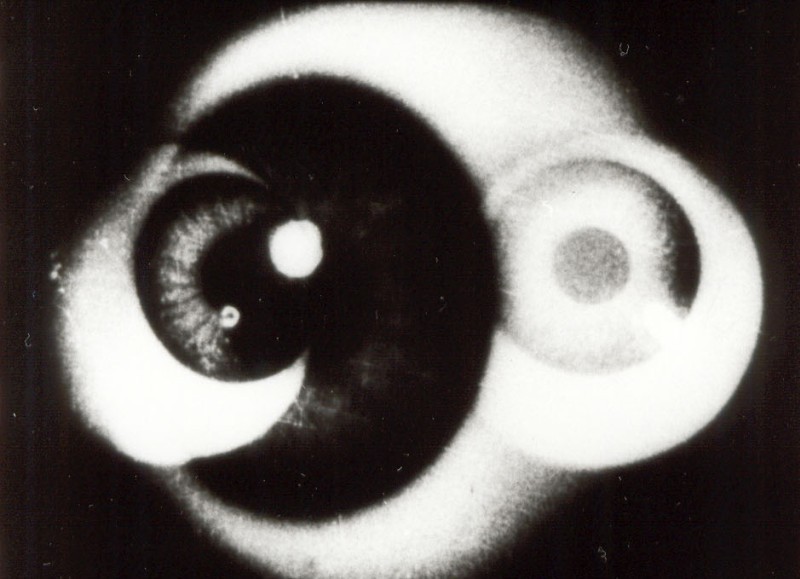
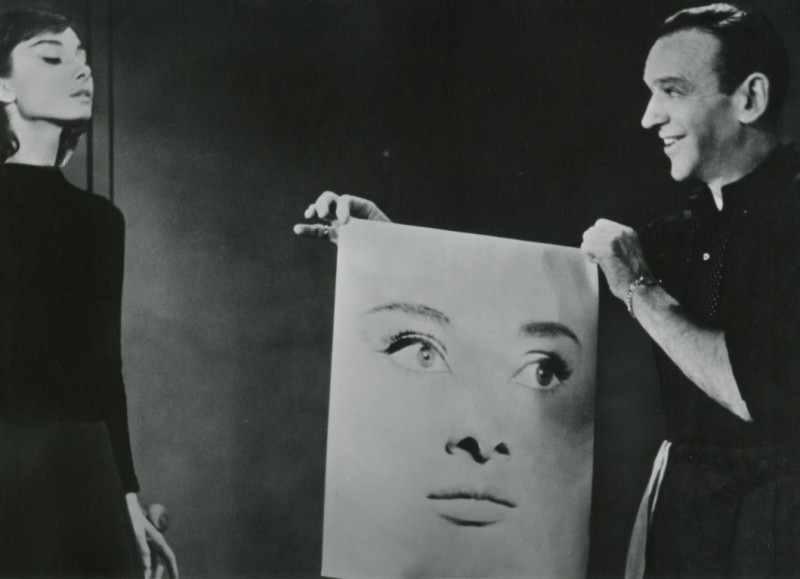
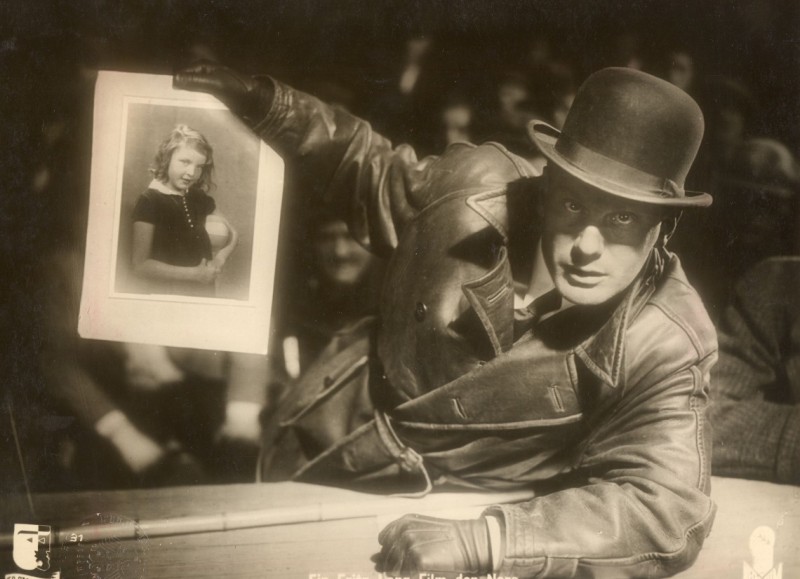
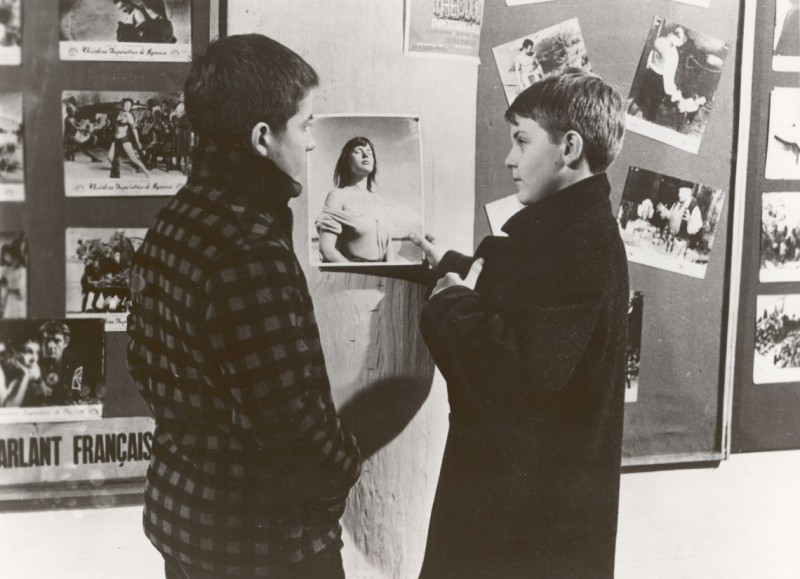
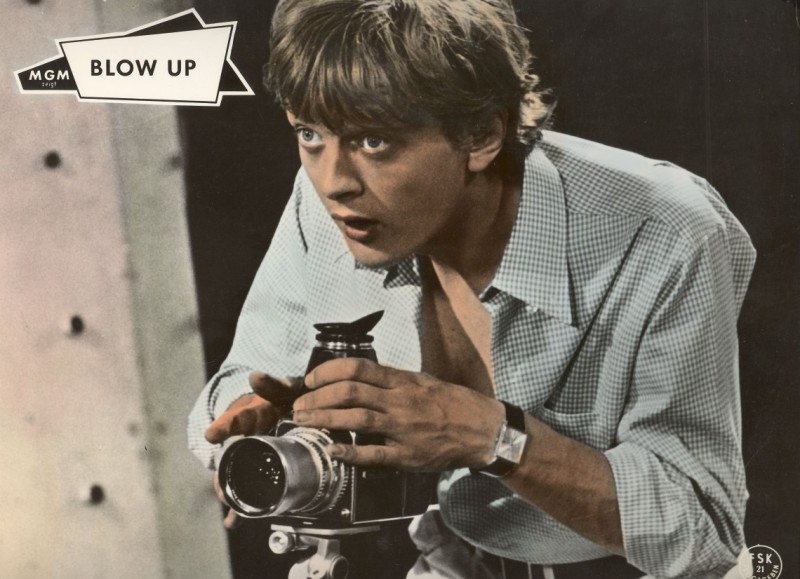
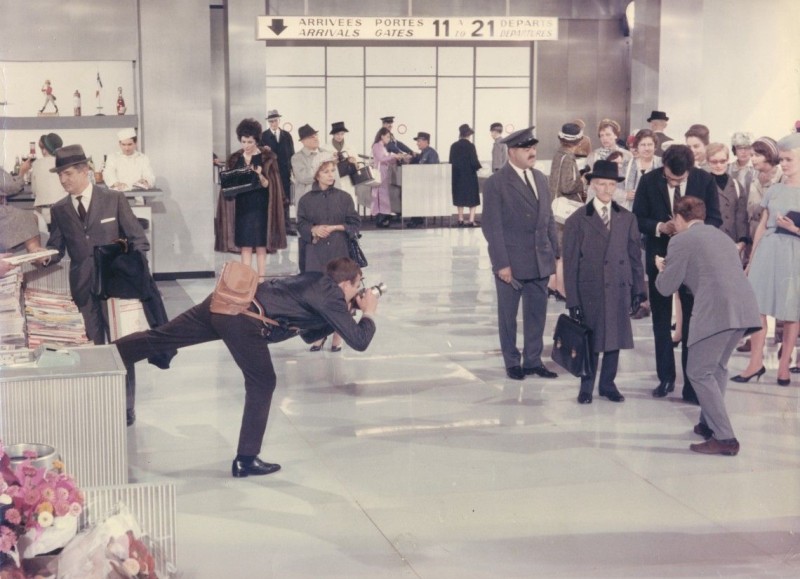
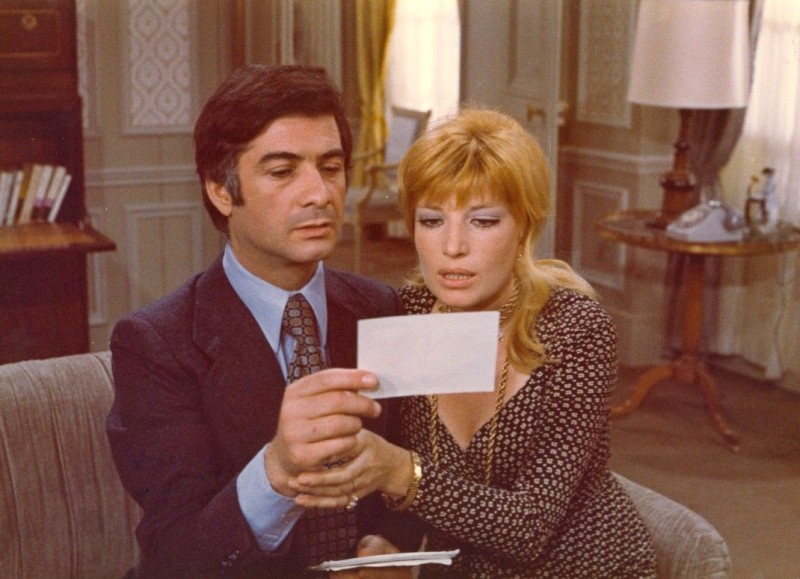
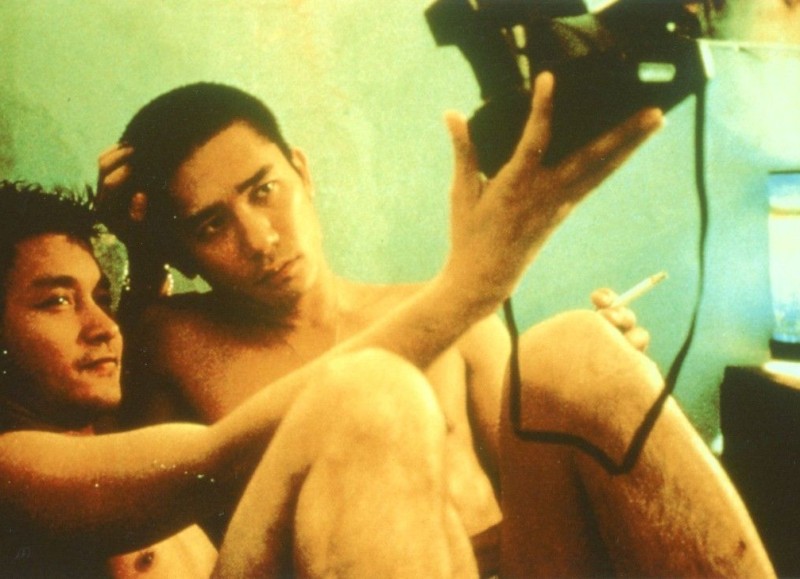
Our steadily growing collection of film stills is one of the cornerstones of the documentation department. With more than 400,000 items, it covers the history of film from its earliest beginnings right up to the present. Our earliest vintage stills date from 1910. As with the film collection, the emphasis is on items of international provenance. From auteur films to classical Hollywood cinema, our catalogue contains numerous icons of film still photography.
The collection includes thousands of stills from films that are presumed lost – elements which are often the only remaining source for "re-imagining" the films in question (such as Josef von Sternberg's The Case of Lena Smith, the subject of a widely celebrated Film Museum publication). Among the many highlights in the collection are intriguing transparencies from Metropolis, lavishly designed photo albums from production companies such as Marischka-Film Sissi), or the complete issues of the photo-oriented periodical Mein Film, which covers the years 1920 to 1939.
The Film Museum's Stills Collection is accessible for research by professionals in the field, as well as for private use, both by prior appointment.
The Film Museum is a living archive. In order to supply present and future generations with all forms of audio-visual memory, the Film Museum depends on public awareness and on the support of individuals. Cinephiles and film professionals play a vital role in helping to shape the collections by contributing their own personal film-related materials (films, photos, posters, etc.). We are happy to undertake the professional archiving of such items, both in the form of donations and long-term deposits.
Stills Collection
Contact:
Christoph Etzlsdorfer