Derek Jarman
March 19 to April 30, 2026
"This is what I miss, now that there are no more Derek Jarman films: the mess, the cant, the poetry, Simon Fisher Turner's music, the real faces, the intellectualism, the bad-temperedness, the good-temperedness, the cheek, the standards, the anarchy, the romanticism, the classicism, the optimism, the activism, the glee, the bumptiousness, the resistance, the wit, the fight, the colors, the grace, the passion, the beauty." Tilda Swinton, 2002
Derek Jarman was not only one of British cinema's greatest filmmakers, he ranks high among his nation's 20th century artists in any medium. An accomplished painter, designer, and writer, in 1986 he became the first film-director nominated for the prestigious Turner Prize. Often a magnet of controversy at home – where his exuberant "queerness" sparked frictions in an era of state-sanctioned homophobia – he was revered abroad. As Dennis Cooper wrote, he "proved himself to be the true successor to Pasolini."
PPP was assassinated in November 1975, aged 53. In August 1976 Jarman's feature debut Sebastiane – a Sardinia-shot, Latin-spoken, nudity-studded tribute to the Roman-legionary saint – premiered at Locarno. Alberto Moravia saw it in Rome and "praised the film in the foyer, saying that it was a film that Pier Paolo would have loved."
It was in the Eternal City that Jarman (aged five) had seen his very first movie: "I took part in The Wizard of Oz rather than merely watched it. Since that day I have always loved the film, a love tinged with a little apprehension of the power of movies to move."
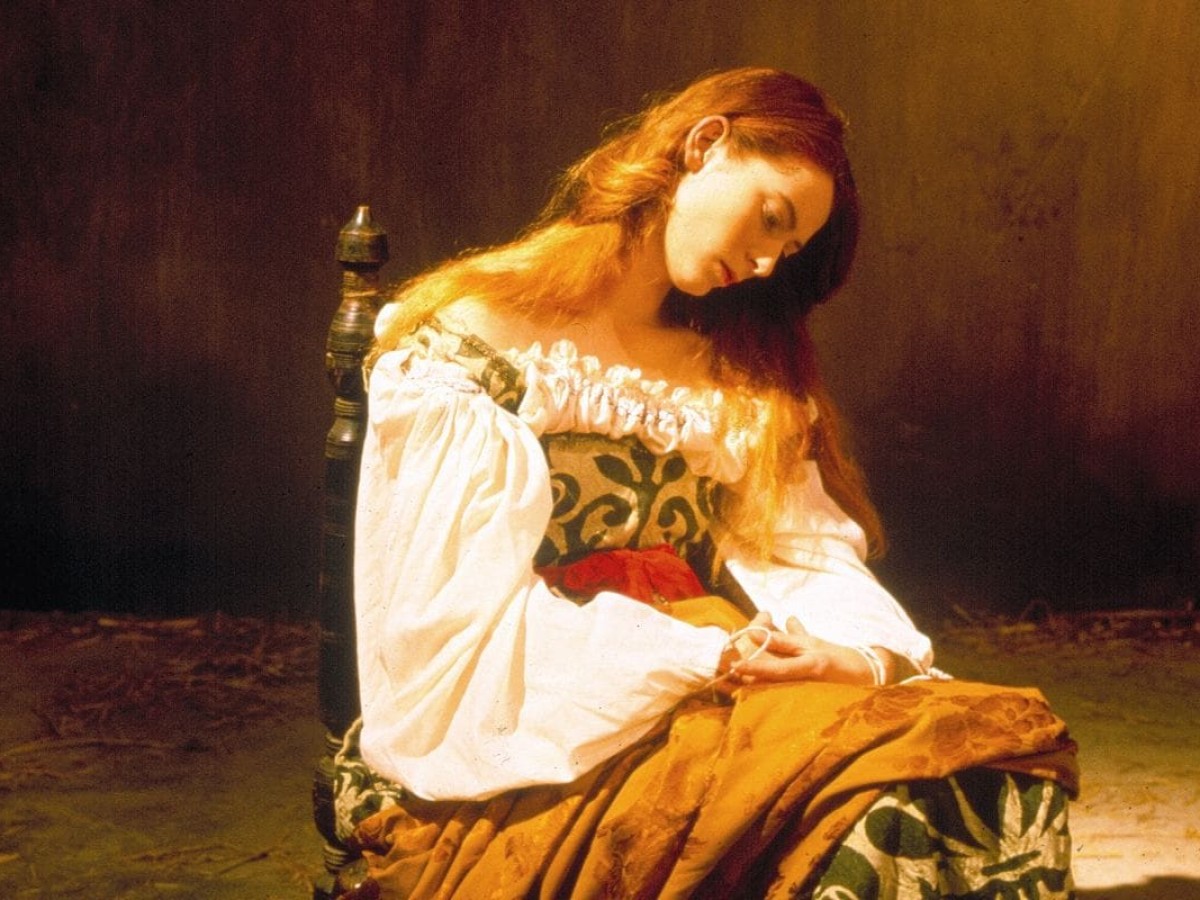
This alluringly dangerous energy pulsed through the UK's first "official" punk picture Jubilee (1977) and that most radically camp of Shakespeare transpositions, The Tempest (1979). The unorthodox artist-biopic Caravaggio (1986) marked Jarman's first collaboration with future Oscar-winner Tilda Swinton, who has never ceased to "beat the drum" for her mentor.
After Jarman was diagnosed HIV-positive in 1986, his work turned more experimental via the non-narrative triptych The Last of England (1987), War Requiem (1988), and The Garden (1990). He completed another unofficial trilogy with two historical-biographical works even bolder than Caravaggio: the Marlowe adaptation Edward II (1991) and Wittgenstein (1993). The last cinematic project Jarman finished before his death, aged 52 in 1994, transcended moving images altogether – Blue (1993), an epic of frozen azure.
The corpus includes eleven feature-length pictures, plus the portmanteaus In the Shadow of the Sun (1981) and Glitterbug (1994, posthumously completed by friends), plus dozens of effervescently dynamic 8mm shorts, plus groundbreaking music-videos. Together, they combine to form a complex, inter-referential cinematic galaxy of glittering opulence, each element assembled with minimal means.
Jarman learned to thrive on ultra-low budgets, and like Raul Ruíz exploded limitations by crafting fabulous shoebox-universes. He bragged that his first six pictures together cost less than the million pounds lavished on the colossal sets for Ken Russell's The Devils (1971) – on which he worked as the production designer, having been recruited from the theater. "There was no better director to learn from," wrote Jarman, "as [Russell] would always take the more adventurous path, even at the expense of coherence."
Jarman, like Russell, would garner considerable notoriety: Sebastiane's homeroticism was strong stuff back in 1976, and as punk shattered long-ossified social norms, reactionary forces struck back. In the 1980s, Jarman was stirred to increasingly vociferous defenses of LGBT rights – in life and on screen – as they came under sustained attack from Margaret Thatcher’s Conservative governments. He often cited Caravaggio's motto nec spe nec metu: "no hope, no fear."
A cheerful, indomitable battler on the cultural front-lines, Jarman was a committed internationalist and world-citizen. Just as the UK has long functioned – sometimes awkwardly – as a multi-purpose bridge between North American and continental Europe, Jarman planted a Ruby Slipper-shod foot in avant-garde traditions on both Atlantic shores. Anger, Jack Smith, Deren, Warhol – meet Pasolini, Fassbinder, Cocteau.
Fascinated with the Middle Ages, his oeuvre hopping between centuries (sometimes in a single scene) with quicksilver aplomb, Derek Jarman was almost literally a "Renaissance man." Provocative, poetic, political, protean, priapic; a pirate, a painter, a professor, a pioneer, a punk, a polymath – a prince. (Neil Young)
Live performance of Blue with Simon Fisher Turner (piano, laptop) and Neil Young (interpretation) on March 19, 2026, live piano accompaniment by Simon Fisher Turner on March 20, 2026
Introductions by James Mackay on March 20, 2026 and Neil Young at selected screenings
"This is what I miss, now that there are no more Derek Jarman films: the mess, the cant, the poetry, Simon Fisher Turner's music, the real faces, the intellectualism, the bad-temperedness, the good-temperedness, the cheek, the standards, the anarchy, the romanticism, the classicism, the optimism, the activism, the glee, the bumptiousness, the resistance, the wit, the fight, the colors, the grace, the passion, the beauty." Tilda Swinton, 2002
Derek Jarman was not only one of British cinema's greatest filmmakers, he ranks high among his nation's 20th century artists in any medium. An accomplished painter, designer, and writer, in 1986 he became the first film-director nominated for the prestigious Turner Prize. Often a magnet of controversy at home – where his exuberant "queerness" sparked frictions in an era of state-sanctioned homophobia – he was revered abroad. As Dennis Cooper wrote, he "proved himself to be the true successor to Pasolini."
PPP was assassinated in November 1975, aged 53. In August 1976 Jarman's feature debut Sebastiane – a Sardinia-shot, Latin-spoken, nudity-studded tribute to the Roman-legionary saint – premiered at Locarno. Alberto Moravia saw it in Rome and "praised the film in the foyer, saying that it was a film that Pier Paolo would have loved."
It was in the Eternal City that Jarman (aged five) had seen his very first movie: "I took part in The Wizard of Oz rather than merely watched it. Since that day I have always loved the film, a love tinged with a little apprehension of the power of movies to move."
This alluringly dangerous energy pulsed through the UK's first "official" punk picture Jubilee (1977) and that most radically camp of Shakespeare transpositions, The Tempest (1979). The unorthodox artist-biopic Caravaggio (1986) marked Jarman's first collaboration with future Oscar-winner Tilda Swinton, who has never ceased to "beat the drum" for her mentor.
After Jarman was diagnosed HIV-positive in 1986, his work turned more experimental via the non-narrative triptych The Last of England (1987), War Requiem (1988), and The Garden (1990). He completed another unofficial trilogy with two historical-biographical works even bolder than Caravaggio: the Marlowe adaptation Edward II (1991) and Wittgenstein (1993). The last cinematic project Jarman finished before his death, aged 52 in 1994, transcended moving images altogether – Blue (1993), an epic of frozen azure.
The corpus includes eleven feature-length pictures, plus the portmanteaus In the Shadow of the Sun (1981) and Glitterbug (1994, posthumously completed by friends), plus dozens of effervescently dynamic 8mm shorts, plus groundbreaking music-videos. Together, they combine to form a complex, inter-referential cinematic galaxy of glittering opulence, each element assembled with minimal means.
Jarman learned to thrive on ultra-low budgets, and like Raul Ruíz exploded limitations by crafting fabulous shoebox-universes. He bragged that his first six pictures together cost less than the million pounds lavished on the colossal sets for Ken Russell's The Devils (1971) – on which he worked as the production designer, having been recruited from the theater. "There was no better director to learn from," wrote Jarman, "as [Russell] would always take the more adventurous path, even at the expense of coherence."
Jarman, like Russell, would garner considerable notoriety: Sebastiane's homeroticism was strong stuff back in 1976, and as punk shattered long-ossified social norms, reactionary forces struck back. In the 1980s, Jarman was stirred to increasingly vociferous defenses of LGBT rights – in life and on screen – as they came under sustained attack from Margaret Thatcher’s Conservative governments. He often cited Caravaggio's motto nec spe nec metu: "no hope, no fear."
A cheerful, indomitable battler on the cultural front-lines, Jarman was a committed internationalist and world-citizen. Just as the UK has long functioned – sometimes awkwardly – as a multi-purpose bridge between North American and continental Europe, Jarman planted a Ruby Slipper-shod foot in avant-garde traditions on both Atlantic shores. Anger, Jack Smith, Deren, Warhol – meet Pasolini, Fassbinder, Cocteau.
Fascinated with the Middle Ages, his oeuvre hopping between centuries (sometimes in a single scene) with quicksilver aplomb, Derek Jarman was almost literally a "Renaissance man." Provocative, poetic, political, protean, priapic; a pirate, a painter, a professor, a pioneer, a punk, a polymath – a prince. (Neil Young)
Live performance of Blue with Simon Fisher Turner (piano, laptop) and Neil Young (interpretation) on March 19, 2026, live piano accompaniment by Simon Fisher Turner on March 20, 2026
Introductions by James Mackay on March 20, 2026 and Neil Young at selected screenings
Related materials
Books The Afterimage Reader
Link Contributors