
Stanley Kubrick, Shirley Clarke, Michael Roemer
May 7 to June 27, 2026
The filmmakers Shirley Clarke, Stanley Kubrick, and Michael Roemer share a great deal in common: They were of roughly the same generation, were all of Jewish heritage, spent formative and/or crucial phases of their lives and careers in New York City, and were important contributors to the explosion of politically, socially, formally, and financially independent filmmaking that emerged and flourished within American cinema in the 1950s and 60s. Within the parameters of this burgeoning American independent cinema movement, however, their careers took radically different paths, and their bodies of work were fated to meet with decisively different receptions among film critics and historians.
Kubrick remains, of course, the most renowned and celebrated of the three. Though unquestionably an independent filmmaker, producing all but a handful of his films himself, he worked exclusively in the realm of narrative fiction, received financial support and distribution from the major studios, and made films which enjoyed an enormous and widespread cultural impact. His career was also marked by an engagement with many of the most important genres that defined the commercial cinema of the time: Though he invariably turned these genres to his own uses, he nevertheless made works that unambiguously qualify as film noirs, war films, period pieces, suspense thrillers, and so on.
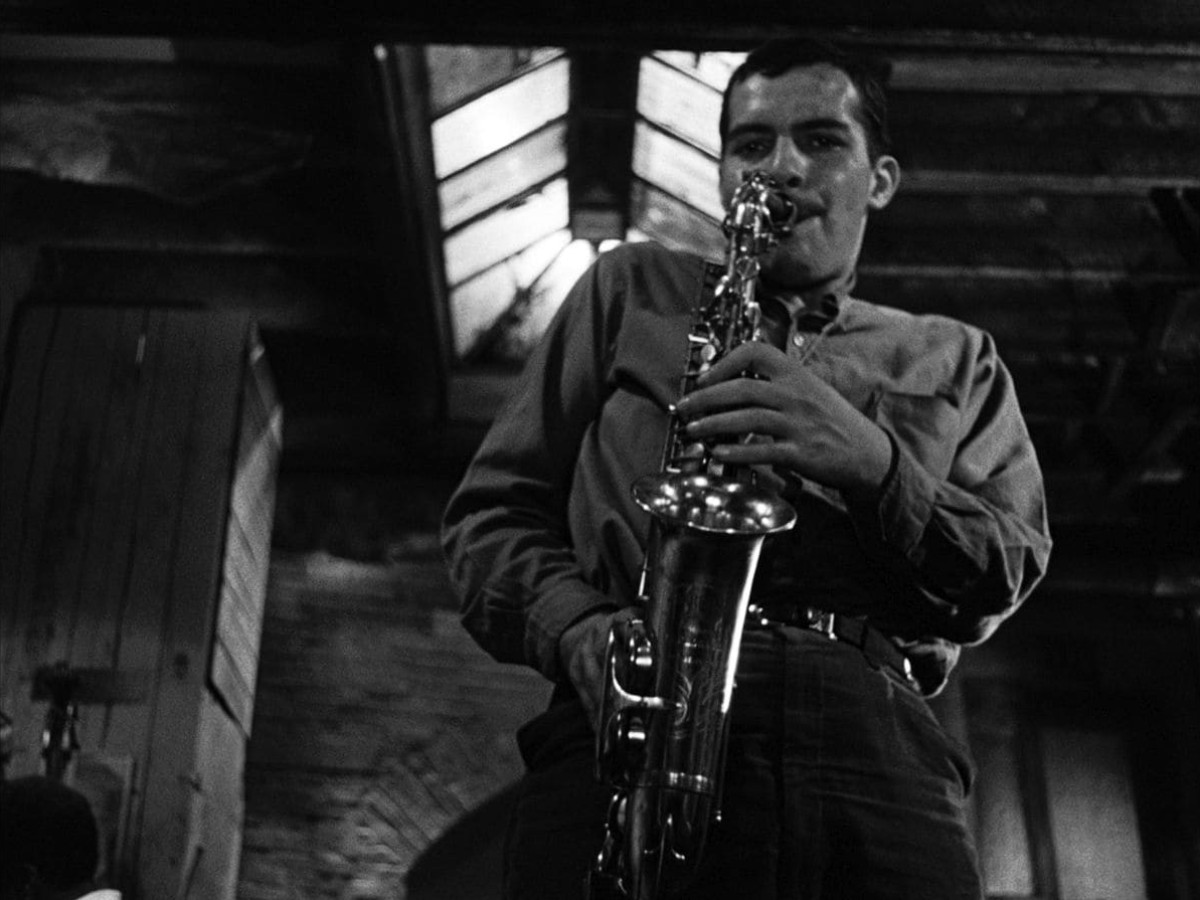
Shirley Clarke, on the other hand, was a counter-cultural artist par excellence. She began her artistic career within the realm of avant-garde dance, and made numerous short, non-narrative works throughout the 1950s. Most of these early films explicitly documented, embodied, or evoked experimental dance in their editing rhythms and stylistic freedom. Her first feature, The Connection (1961), was an adaptation of the Living Theater's notorious underground play, while arguably her greatest work – 1967's Portrait of Jason – was a feature-length cinema verité portrait of the charismatic Black queer performer and hustler, Jason Holliday, which was filmed entirely within the confines of the legendary bohemian enclave the Chelsea Hotel (where Clarke herself lived for over 25 years). Following Portrait of Jason, she continued to make short films, embracing the nascent medium of video, before making a final feature-length documentary – about free jazz giant Ornette Coleman – in 1985. Working in defiant opposition to the cultural and commercial mainstream, Clarke was never well known in the culture at large. But she was a beloved and crucially important part of NYC's experimental art community from the 1950s until her death in 1997, and her work continues to be celebrated within independent film circles.
Michael Roemer's career is an entirely different matter: If his films had not been gradually rediscovered in recent decades (and if he himself hadn't lived well into his nineties, dying in May 2025), his would be a story of tragic neglect. For many years, Roemer was known solely for Nothing But a Man (1964), one of the first and finest American narrative features to explore the experience of Black life in a racist society, which it does with extraordinary frankness and sensitivity. One of the great American films of the 1960s, and one graced by unforgettable performances from Ivan Dixon (who would go on to direct several films of his own, including the astonishing The Spook Who Sat By the Door) and the great singer-songwriter Abbey Lincoln, Nothing But a Man was initially well received at the New York and Venice film festivals. But it was shamefully ignored by distributors, and soon faded from view, languishing in obscurity until 1993, when it was re-released and restored to its rightful place as a masterpiece of 1960s American cinema and a pioneering film about Black life.
If the fate of Nothing But a Man were the only instance of neglect in Roemer's filmography, the story of his career wouldn't be such an unusual one. But in fact, the proliferation of such buried treasures in his body of work is like something out of a fairy tale, with his career resembling a magic vessel from which an undiscovered gem emerges every decade. This serial process of rediscovery began with the release in 1989 of his second feature, The Plot Against Harry (1969), whose invisibility up to that point was even more extreme than that of Nothing But a Man: Demoralized by reactions to early preview screenings, Roemer himself chose not to release the film, a decision that is hard to fathom in retrospect, given that it is one of the greatest of all NYC films, an astonishingly vibrant, hyper-detailed, and hilariously unvarnished portrait of New York's Jewish community. When it was finally released twenty years after its completion, the very qualities that had led to incomprehension among the preview audiences – its off-kilter comedic rhythms, the specificity of its cultural observations, and its unscrupulous but essentially dignified small-time gangster anti-hero – were embraced with great and well-deserved enthusiasm.
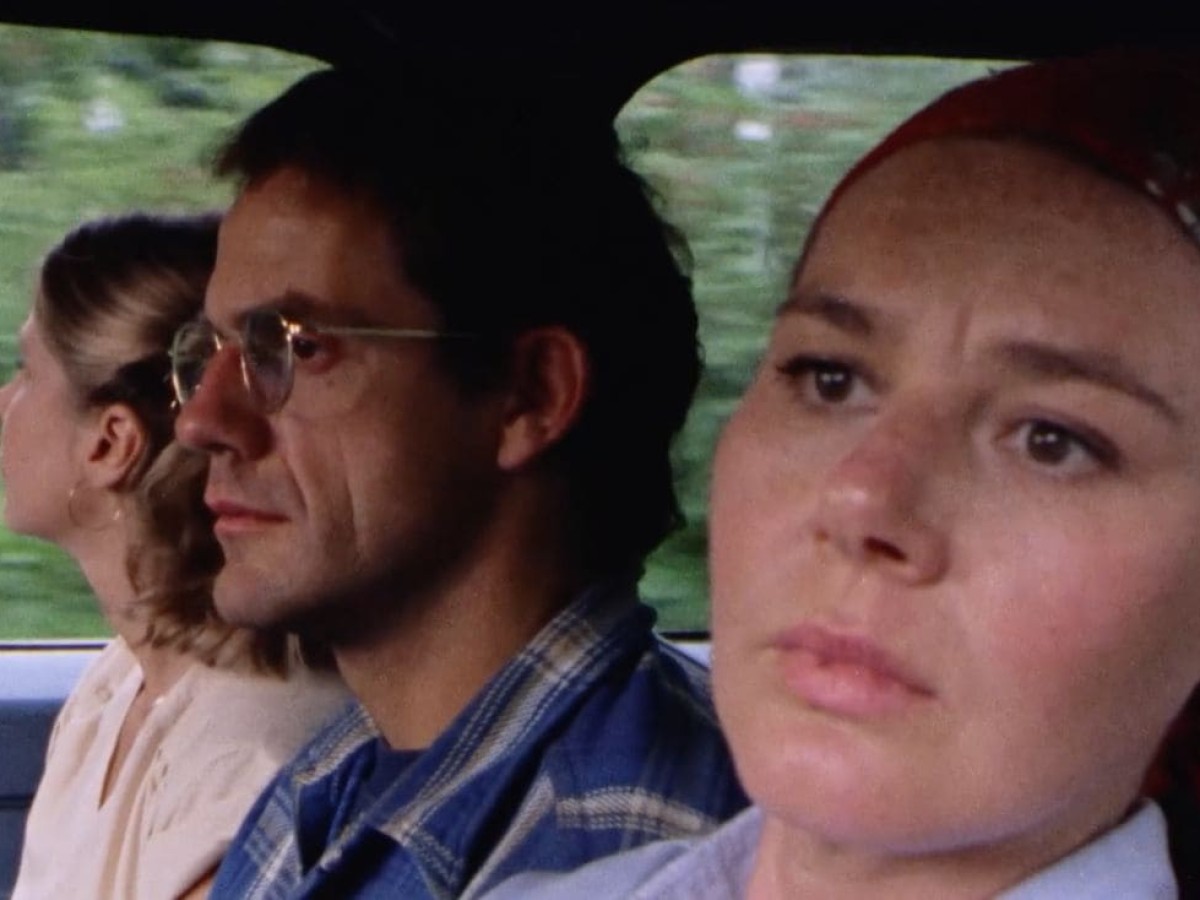
The more recent phase of the reckoning with Roemer's accomplishment has taken place over the last decade, thanks largely to the efforts of film programmer and distributor Jacob Perlin, who wisely intuited that it might be worthwhile to take a deeper dive into the filmography of the director responsible for two masterpieces of 1960s American cinema. What he found were two devastatingly powerful films on the subject of death and mourning – the 1976 documentary Dying and the made-for-TV movie Pilgrim, Farewell (1980, a kind of remake in fictional form) – as well as a final feature, Vengeance is Mine (1984). All three of these films fully display the profound emotional honesty and exquisite cinematic flair that pervades Roemer's entire filmography. But Vengeance is Mine proved to be a major rediscovery: It's a film with an unparalleled understanding of human behavior and an extraordinary ability to find a cinematic form that reflects rather than simplifies the messy, unruly, often paradoxical contradictions of its characters' emotions and inter-dynamics. Vengeance is Mine has now taken its place as the third in an unlikely trio of neglected masterpieces that have emerged from the body of work of a filmmaker who – though unquestionably their equal artistically – could so easily have been denied both the universal acclaim of Stanley Kubrick and the more circumscribed but nevertheless enduring recognition of Shirley Clarke. (Jed Rapfogel)
The filmmakers Shirley Clarke, Stanley Kubrick, and Michael Roemer share a great deal in common: They were of roughly the same generation, were all of Jewish heritage, spent formative and/or crucial phases of their lives and careers in New York City, and were important contributors to the explosion of politically, socially, formally, and financially independent filmmaking that emerged and flourished within American cinema in the 1950s and 60s. Within the parameters of this burgeoning American independent cinema movement, however, their careers took radically different paths, and their bodies of work were fated to meet with decisively different receptions among film critics and historians.
Kubrick remains, of course, the most renowned and celebrated of the three. Though unquestionably an independent filmmaker, producing all but a handful of his films himself, he worked exclusively in the realm of narrative fiction, received financial support and distribution from the major studios, and made films which enjoyed an enormous and widespread cultural impact. His career was also marked by an engagement with many of the most important genres that defined the commercial cinema of the time: Though he invariably turned these genres to his own uses, he nevertheless made works that unambiguously qualify as film noirs, war films, period pieces, suspense thrillers, and so on.
Shirley Clarke, on the other hand, was a counter-cultural artist par excellence. She began her artistic career within the realm of avant-garde dance, and made numerous short, non-narrative works throughout the 1950s. Most of these early films explicitly documented, embodied, or evoked experimental dance in their editing rhythms and stylistic freedom. Her first feature, The Connection (1961), was an adaptation of the Living Theater's notorious underground play, while arguably her greatest work – 1967's Portrait of Jason – was a feature-length cinema verité portrait of the charismatic Black queer performer and hustler, Jason Holliday, which was filmed entirely within the confines of the legendary bohemian enclave the Chelsea Hotel (where Clarke herself lived for over 25 years). Following Portrait of Jason, she continued to make short films, embracing the nascent medium of video, before making a final feature-length documentary – about free jazz giant Ornette Coleman – in 1985. Working in defiant opposition to the cultural and commercial mainstream, Clarke was never well known in the culture at large. But she was a beloved and crucially important part of NYC's experimental art community from the 1950s until her death in 1997, and her work continues to be celebrated within independent film circles.
Michael Roemer's career is an entirely different matter: If his films had not been gradually rediscovered in recent decades (and if he himself hadn't lived well into his nineties, dying in May 2025), his would be a story of tragic neglect. For many years, Roemer was known solely for Nothing But a Man (1964), one of the first and finest American narrative features to explore the experience of Black life in a racist society, which it does with extraordinary frankness and sensitivity. One of the great American films of the 1960s, and one graced by unforgettable performances from Ivan Dixon (who would go on to direct several films of his own, including the astonishing The Spook Who Sat By the Door) and the great singer-songwriter Abbey Lincoln, Nothing But a Man was initially well received at the New York and Venice film festivals. But it was shamefully ignored by distributors, and soon faded from view, languishing in obscurity until 1993, when it was re-released and restored to its rightful place as a masterpiece of 1960s American cinema and a pioneering film about Black life.
If the fate of Nothing But a Man were the only instance of neglect in Roemer's filmography, the story of his career wouldn't be such an unusual one. But in fact, the proliferation of such buried treasures in his body of work is like something out of a fairy tale, with his career resembling a magic vessel from which an undiscovered gem emerges every decade. This serial process of rediscovery began with the release in 1989 of his second feature, The Plot Against Harry (1969), whose invisibility up to that point was even more extreme than that of Nothing But a Man: Demoralized by reactions to early preview screenings, Roemer himself chose not to release the film, a decision that is hard to fathom in retrospect, given that it is one of the greatest of all NYC films, an astonishingly vibrant, hyper-detailed, and hilariously unvarnished portrait of New York's Jewish community. When it was finally released twenty years after its completion, the very qualities that had led to incomprehension among the preview audiences – its off-kilter comedic rhythms, the specificity of its cultural observations, and its unscrupulous but essentially dignified small-time gangster anti-hero – were embraced with great and well-deserved enthusiasm.
The more recent phase of the reckoning with Roemer's accomplishment has taken place over the last decade, thanks largely to the efforts of film programmer and distributor Jacob Perlin, who wisely intuited that it might be worthwhile to take a deeper dive into the filmography of the director responsible for two masterpieces of 1960s American cinema. What he found were two devastatingly powerful films on the subject of death and mourning – the 1976 documentary Dying and the made-for-TV movie Pilgrim, Farewell (1980, a kind of remake in fictional form) – as well as a final feature, Vengeance is Mine (1984). All three of these films fully display the profound emotional honesty and exquisite cinematic flair that pervades Roemer's entire filmography. But Vengeance is Mine proved to be a major rediscovery: It's a film with an unparalleled understanding of human behavior and an extraordinary ability to find a cinematic form that reflects rather than simplifies the messy, unruly, often paradoxical contradictions of its characters' emotions and inter-dynamics. Vengeance is Mine has now taken its place as the third in an unlikely trio of neglected masterpieces that have emerged from the body of work of a filmmaker who – though unquestionably their equal artistically – could so easily have been denied both the universal acclaim of Stanley Kubrick and the more circumscribed but nevertheless enduring recognition of Shirley Clarke. (Jed Rapfogel)