Tiffany Sia
Carte Blanche: A Road Movie, Evacuated
January 20 to 23, 2027
Tiffany Sia: "My debut feature-length film Overt Listening (2026) drew from many inspirations, chief among them a handful of road movies, some quintessential examples of the genre and others, admittedly, quite a leap of my own repurposing. The road movie is a decidedly American form. It brings to cinematic form questions of space, of home and estrangement, and often a rejection of society – tropes frequently framed as freedom. Put another way, the road movie gives cinema its most vivid address to the quest for sovereignty on screen: its hopes, its dispossession, and its tragedies. It is a political form.
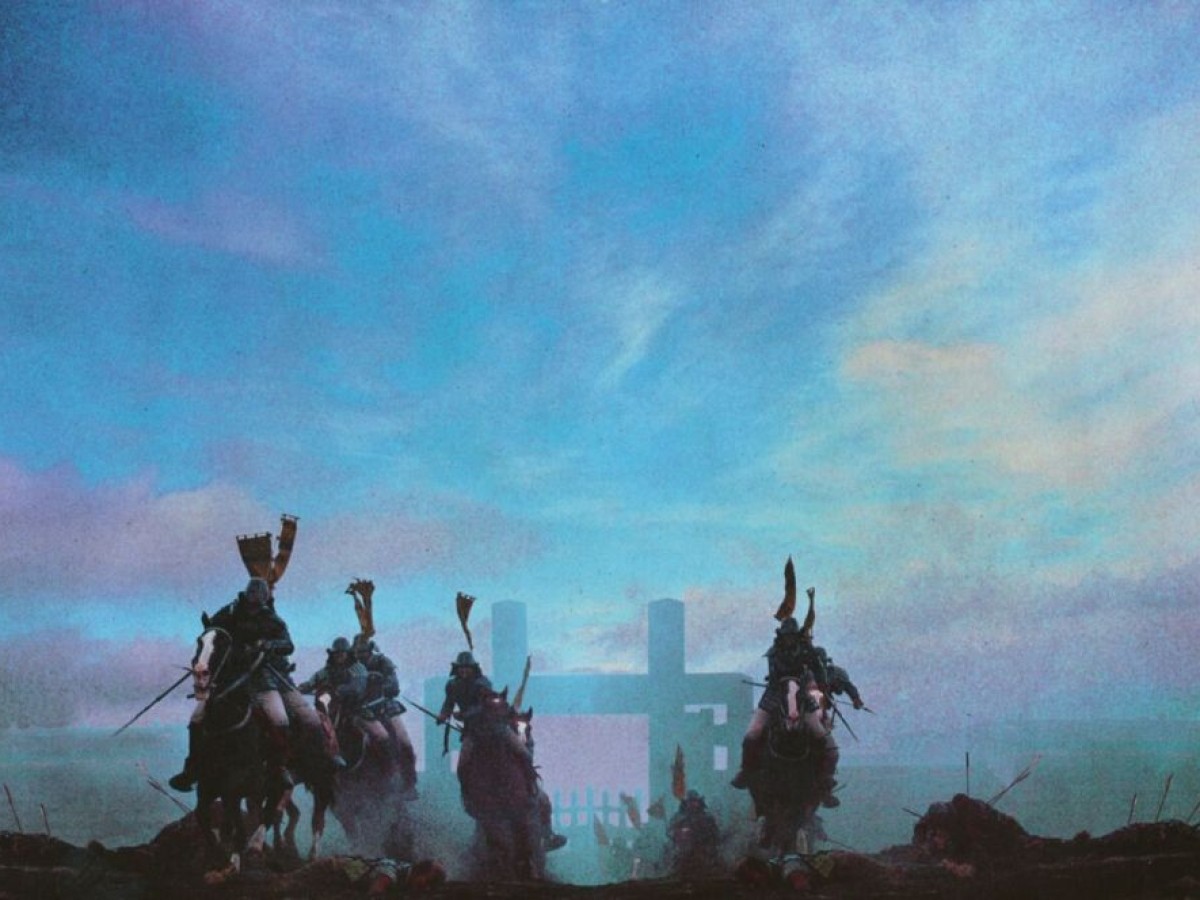
I was drawn to the evacuation of a very recognizable genre, what it could then do with histories of violence and the Cold War, and to old attachments, like nationalism or belonging, seen anew. In routes that lead nowhere, or circle back in U-turns, each of these four films reinvents the road movie by evacuating one of its terms: the return without arrival in Homelands, the driver without the road or even the car in Man in Black, a warlord's campaign without a victor in Ran, and the journey without a destination in Two-Lane Blacktop. In making a road movie taken apart, I found in them new ways of seeing and listening to place, and what returns in feverish repetition through form when freedom has been emptied of its object, meaning, and promise."
Related materials
Program In Person - Oct / Nov 2026
Link Kunsthalle Wien