New Uncertainties: Austrian Documentary Film in the 1990s
A Visit from the Diagonale
September 23 to 28, 2026
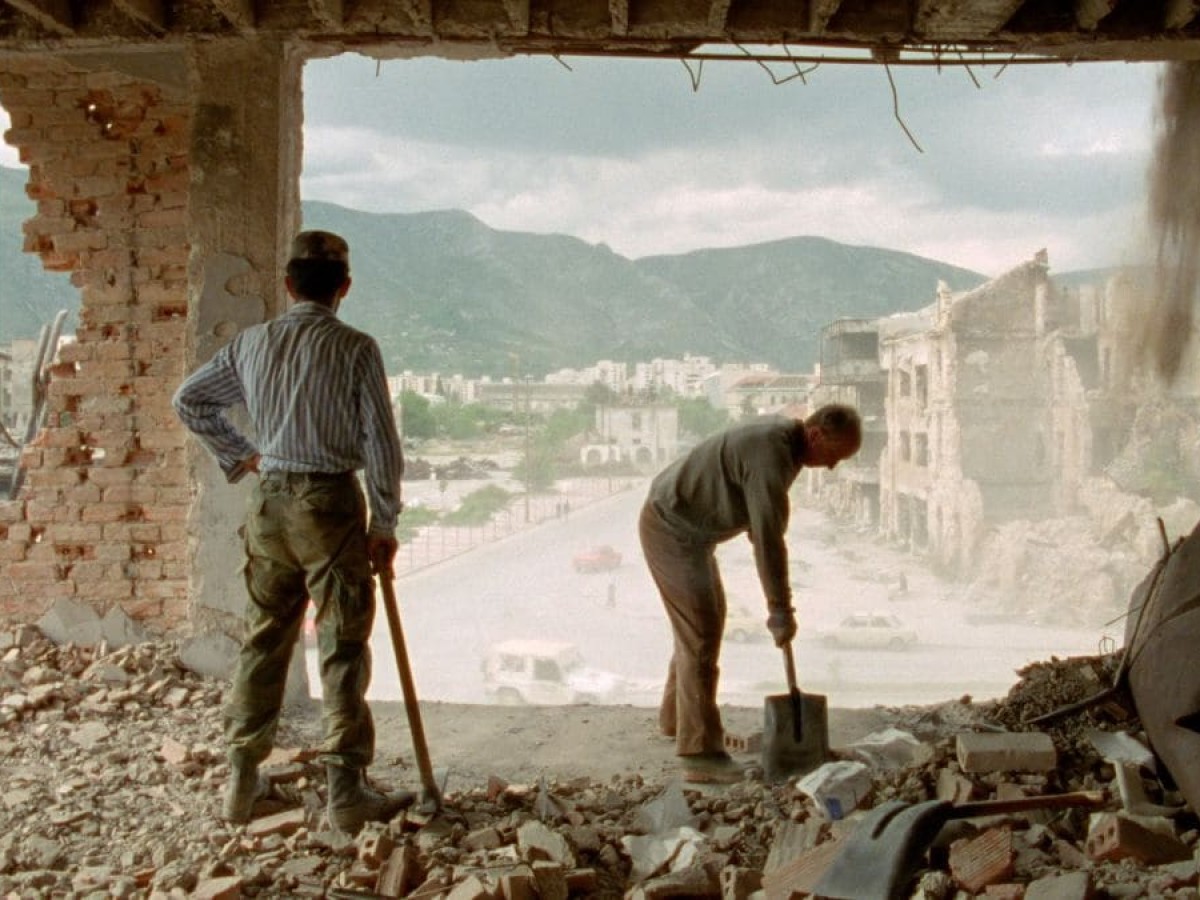
New Labour, the Balkan Wars, a new concept of memory or the first web server in the European Organization for Nuclear Research (CERN), a climate conference in Rio and Nirvana's Smells Like Teen Spirit? The 1990s were the turning point from the 1980s' "No Future" ethos to the rapid rise of the Internet.
In Austria, these geopolitical shifts overlapped with specific upheavals in domestic politics and society. A structural change in industry, already foreseeable since the 1970s, increasingly raised questions about the traditional organizational forms of the labor movement. At the same time, Austria was also directly affected by the consequences of the upheavals in Eastern Europe. The collapse of Yugoslavia led to migration movements, renewing debates about inclusion and difference.
These shifts were also echoed in 1990s Austrian cinema. A new generation of filmmakers began to question established forms of representation. The historical program New Uncertainties, which was first presented in a slightly different constellation at the Diagonale this past March, presents a selection of twelve films that explore these radical changes with formal ingenuity – they document, reflect, and make visible. With two exceptions, these are documentaries that consciously employ different formal approaches. This variety highlights a main development in the 1990s: the boundaries of the documentary became porous, and the question of what constitutes documentary representation became its own subject of aesthetic inquiry. (Dominik Kamalzadeh, Claudia Slanar / Translation: Ted Fendt)
In collaboration with Diagonale – Festival des österreichischen Films
With several filmmakers in attendance
New Labour, the Balkan Wars, a new concept of memory or the first web server in the European Organization for Nuclear Research (CERN), a climate conference in Rio and Nirvana's Smells Like Teen Spirit? The 1990s were the turning point from the 1980s' "No Future" ethos to the rapid rise of the Internet.
In Austria, these geopolitical shifts overlapped with specific upheavals in domestic politics and society. A structural change in industry, already foreseeable since the 1970s, increasingly raised questions about the traditional organizational forms of the labor movement. At the same time, Austria was also directly affected by the consequences of the upheavals in Eastern Europe. The collapse of Yugoslavia led to migration movements, renewing debates about inclusion and difference.
These shifts were also echoed in 1990s Austrian cinema. A new generation of filmmakers began to question established forms of representation. The historical program New Uncertainties, which was first presented in a slightly different constellation at the Diagonale this past March, presents a selection of twelve films that explore these radical changes with formal ingenuity – they document, reflect, and make visible. With two exceptions, these are documentaries that consciously employ different formal approaches. This variety highlights a main development in the 1990s: the boundaries of the documentary became porous, and the question of what constitutes documentary representation became its own subject of aesthetic inquiry. (Dominik Kamalzadeh, Claudia Slanar / Translation: Ted Fendt)
In collaboration with Diagonale – Festival des österreichischen Films
With several filmmakers in attendance