I Don't Belong to Anyone.
The Films of María Luisa Bemberg
December 10 to 20, 2026
"I didn't want to tell any fairy tales, I didn't want to sell a bed of roses. I wanted to tell the truth about how life as a woman really is." (María Luisa Bemberg)
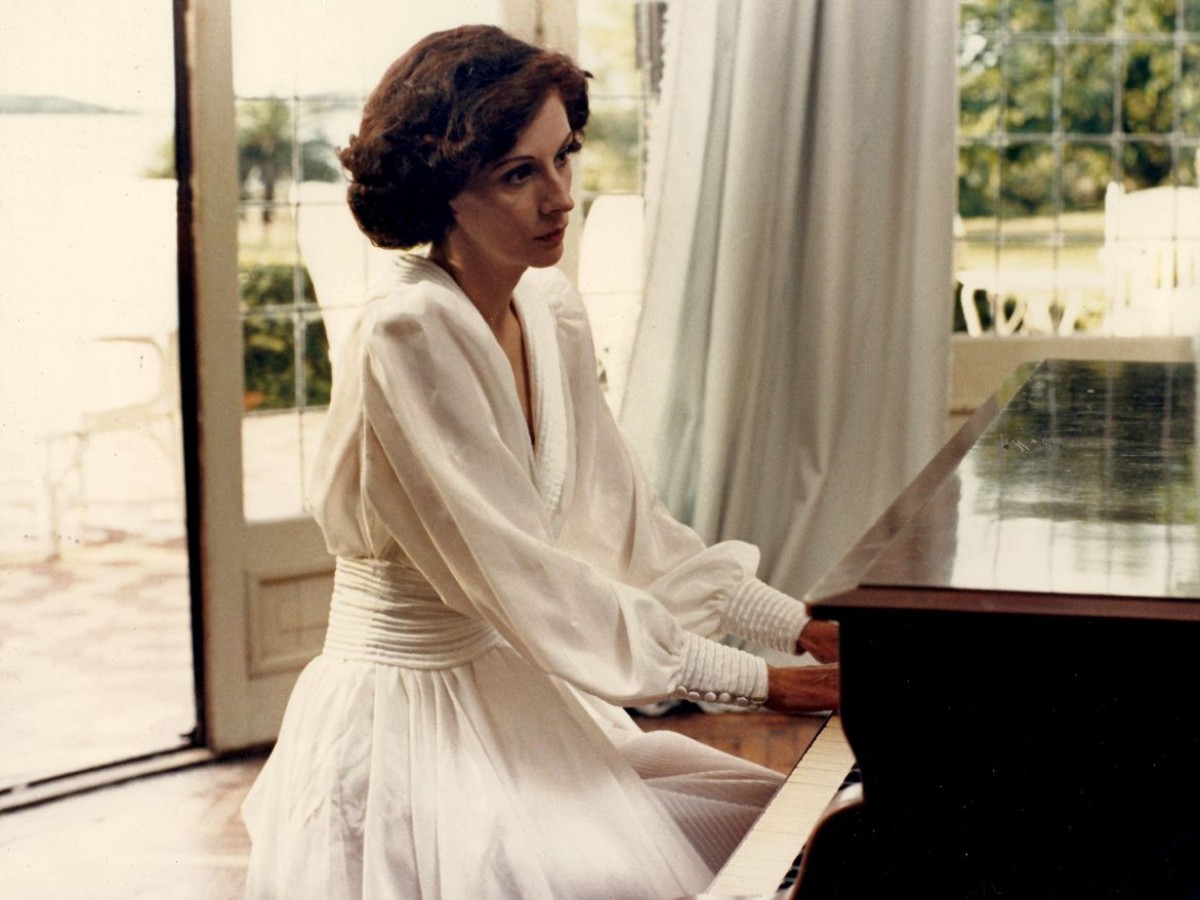
María Luisa Bemberg deserves rediscovery as one of the world's most outstanding directors. Her feature films, all made between 1981 and 1993, are still greatly treasured in Argentina and were, together with Bemberg's self-conscious and activist personality, pioneering works for the next generation of female directors such as Lucrecia Martel, Albertina Carri, Lucía Puenzo, and Laura Citarella. After the success of her third feature, Camila (1984), her work also received international attention. Based on a true story, the drama drew 2.4 million viewers, making it the most-watched film in Argentine film history, it was nominated for an Academy Award, and it was released theatrically in many countries. More recently, however, her work has only been sporadically visible. Bemberg's films manage to be both explicitly political and compelling, sensual, and empathetic toward their richly diverse characters.
María Luisa Bemberg was born on April 14, 1922 in Buenos Aires to one of Argentina's most affluent and influential families, which had wide-reaching connections in business, but also culture. As was normal at the time, girls did not receive any formal instruction. Bemberg had the talent, however, to compensate for this lack through intellectual curiosity, and gave herself a comprehensive education. At 22, she married the architect Carlos Miguens and had four children. In these years, she became deeply aware of the large inner void left in her by only being – in the words of her feminist comrade-in-arms Leonor Calvera – "the wife of..." After close to ten years, the marriage was annulled. Bemberg's artistic and political career took off.
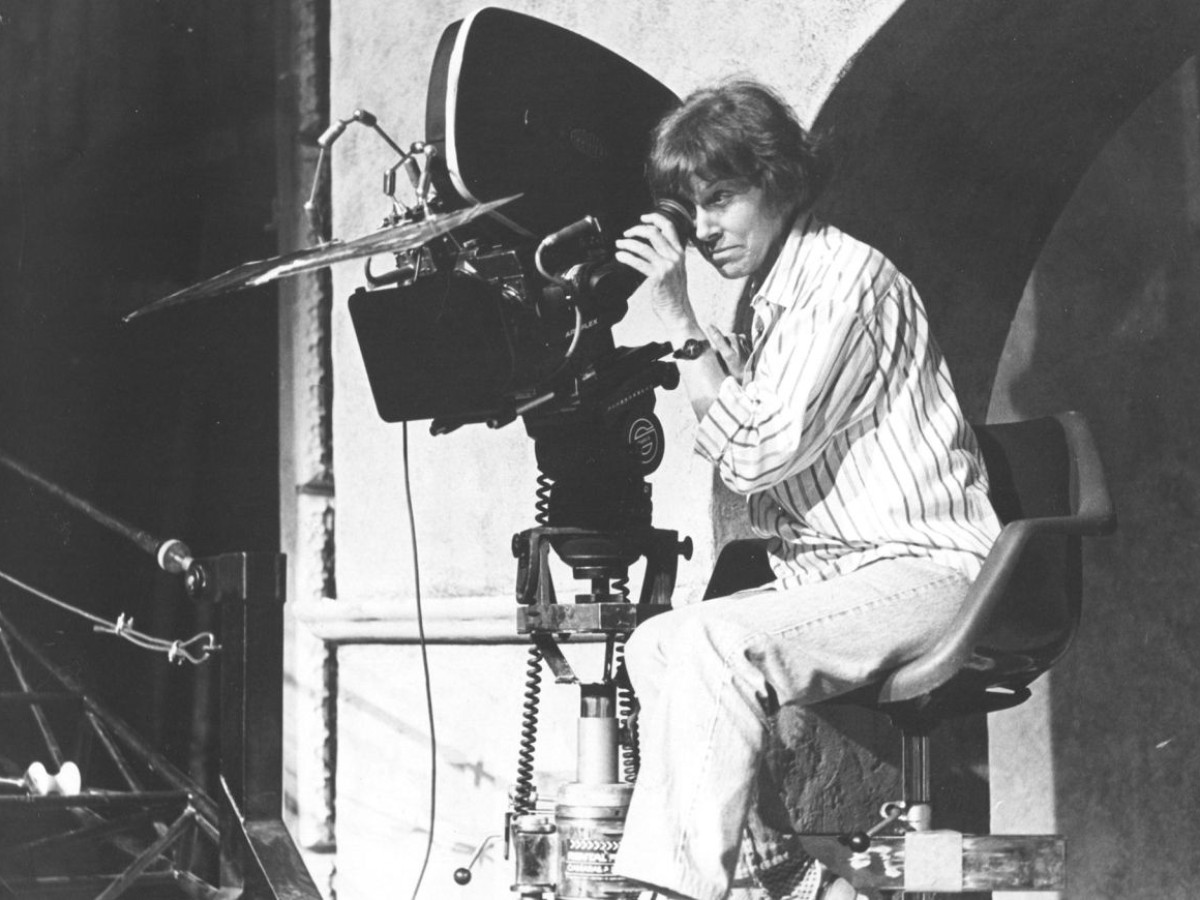
She was a member of the Teatro Smart and the Teatro Astral, until she founded the Teatro del Globo in 1968 with Catalina Wolff. These experiences working in theater, especially directing actors and staging, would later inform her filmmaking. In the late 1960s, she began writing scripts, leading to Crónica de una señora, filmed in 1971 by Raúl de la Torre, and Triángulo de cuatro (Fernando Ayala, 1975). Unsatisfied with how others directors shot her scripts, she decided to direct herself. However, it would take until 1981 for her to make her directorial debut at the age of 58.
During this time, she was engaged in fighting for women's rights. True to her convictions, she paved the way for a public debate on women's social status during a difficult political period: with other activists, including the writer Leonor Calvera, in 1970, she founded the legendary Unión Feminista Argentina (UFA) and spearheaded campaigns meant to raise awareness of the limitations faced by women through traditional gender roles. She made two short films in this context, El mundo de la mujer (1972) and Juguetes (1978).
After a few months spent studying under Lee Strasberg at the Actors Studio in New York, she directed her first feature film, Momentos (1981). This and the four following films were produced by Lita Stantic, a central comrade-in-arms and pioneer of feminist filmmaking in Argentina. In 1988, the two were also co-founders of the film festival La mujer y el Cine in Buenos Aires, which still exists today.
In a biographical text, Leonor Calvera writes: "In her following films, Bemberg generalizes her protagonist's striving for autonomy and shows them dealing with the ruling forces: family, state, and church. Not only in Señora de nadie (1982), but also in Camila – the tragic love story of Camila O'Gorman and the priest Ladislao Gutiérrez during the Age of Rosas – and in Miss Mary (1986), a drama about the insensitiveness of the landed gentry in the 1930s and 1940s, an unrestrained critique of patriarchal society takes center stage." In 1990, Bemberg decided to film Yo, la peor de todas, the story of Mexican nun Inés de la Cruz based on an essay by Octavio Paz, which she considered the "first feminist film of the American continent." Her final feature film came in 1993, De eso no se habla. She was unable to film one more script, dying in 1995 at the age of 73. Following her wishes, her years-long assistant director Alejandro Maci directed it in 1997 under the title El impostor. (Karola Gramann, Gary Vanisian/Translation: Ted Fendt)
María Luisa Bemberg's six feature films as a director can now be seen for the first time together in Europe, and presumably for the last time on 35mm. With thanks to the Museo del Cine Pablo Ducrós Hicken in Buenos Aires and Andrés Levinson for the print loans.
In collaboration with Filmkollektiv Frankfurt e.V.