Robert Aldrich
Rebel in Hollywood
October 23 to November 30, 2026
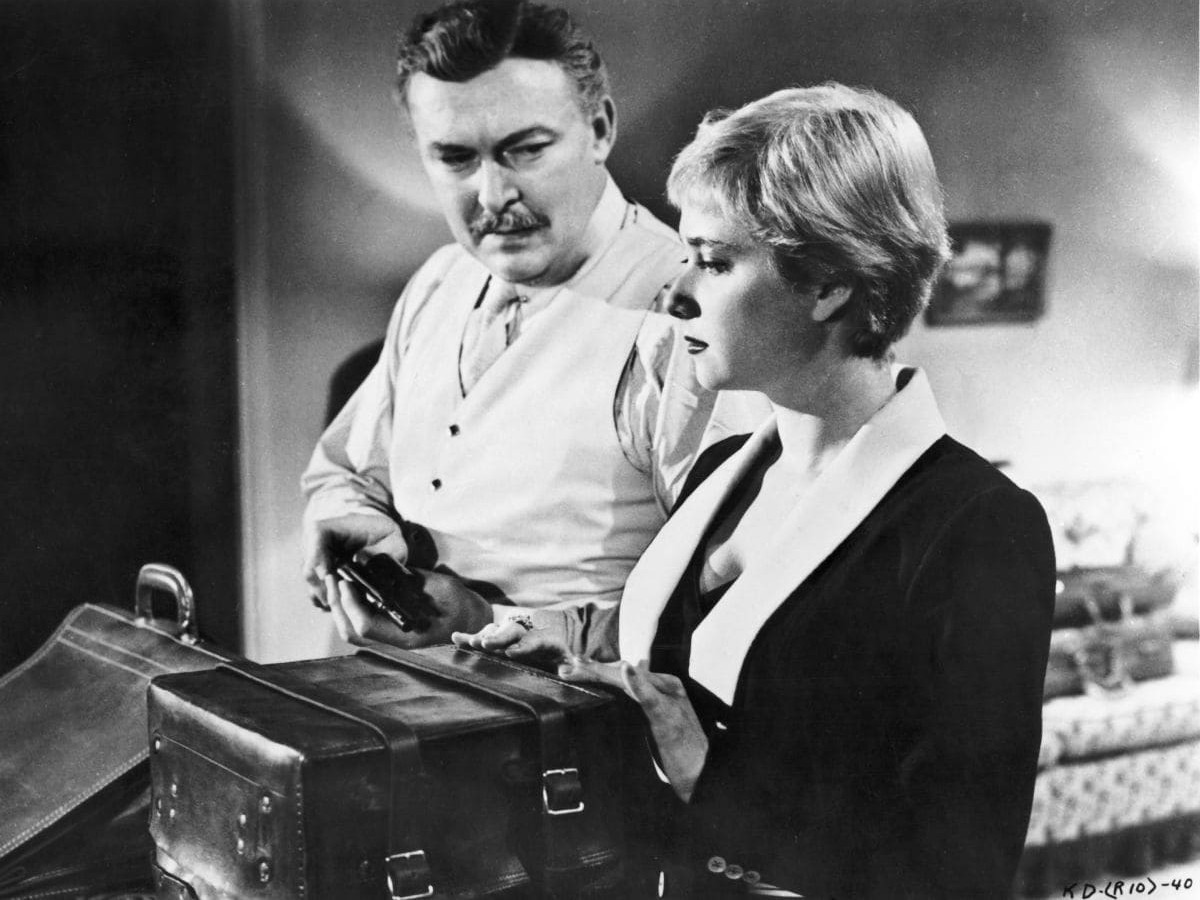
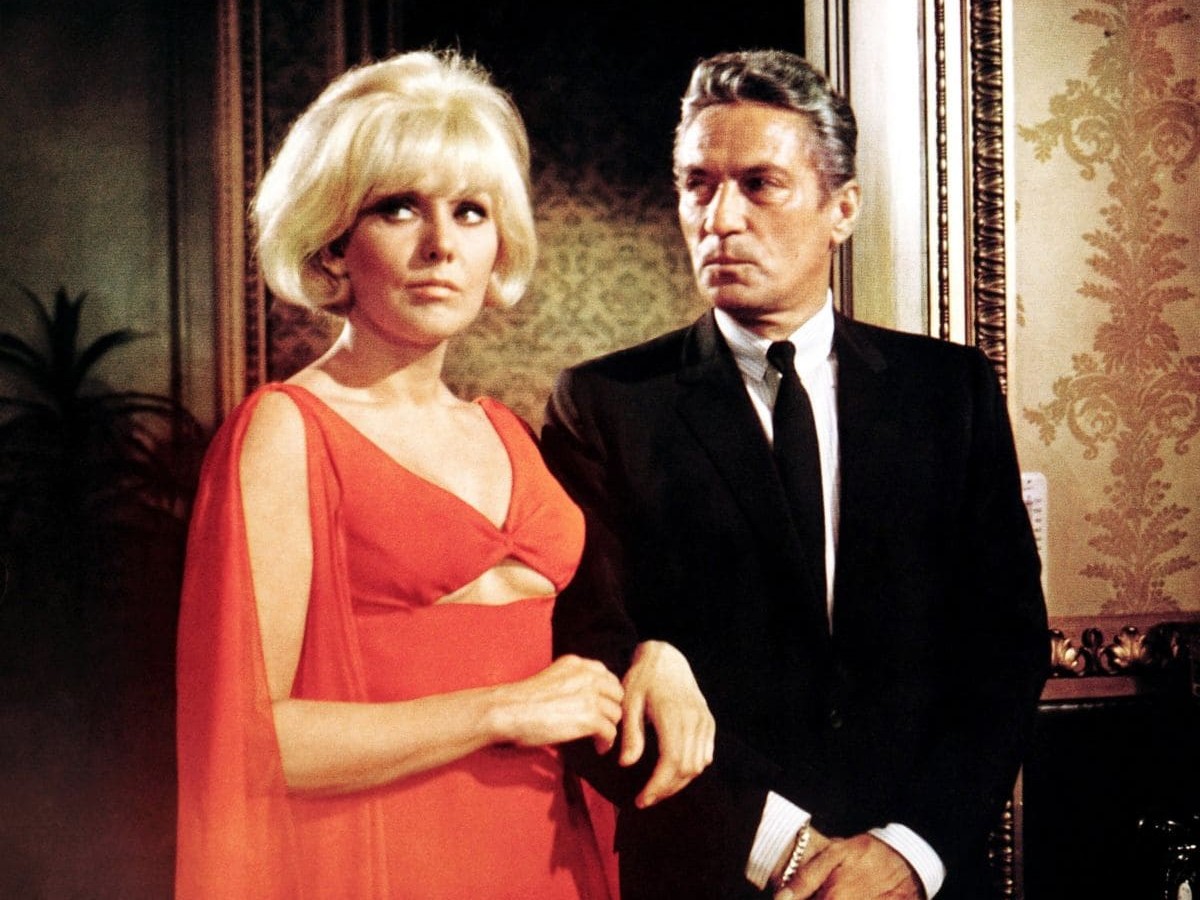
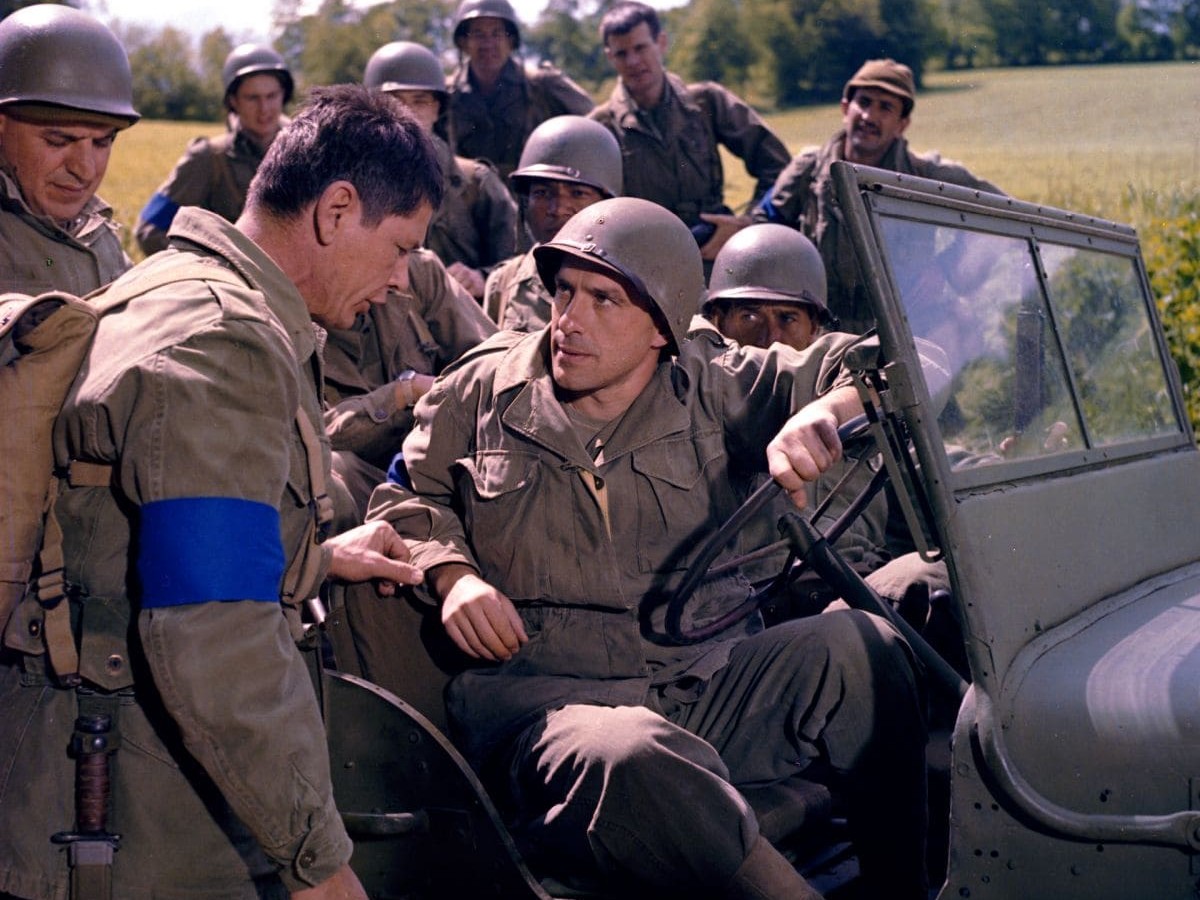
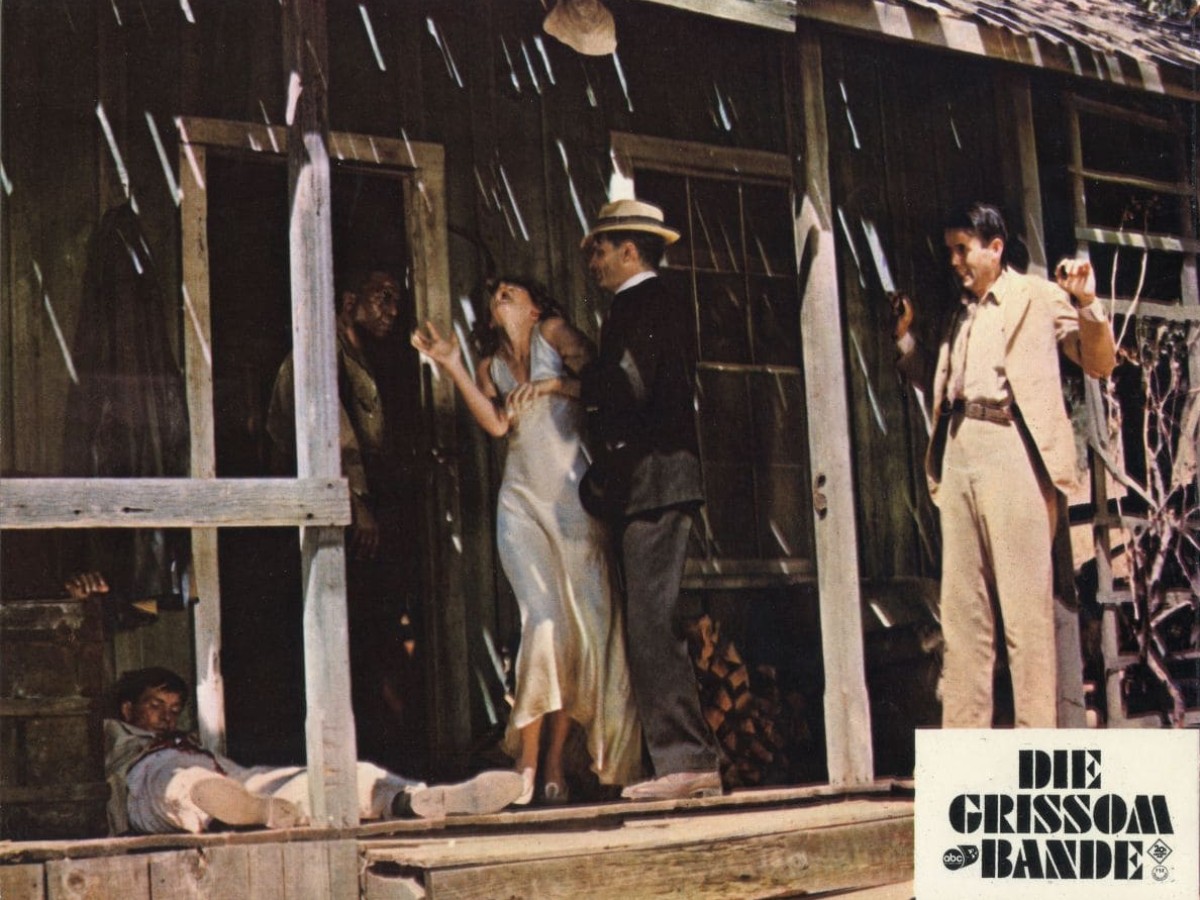
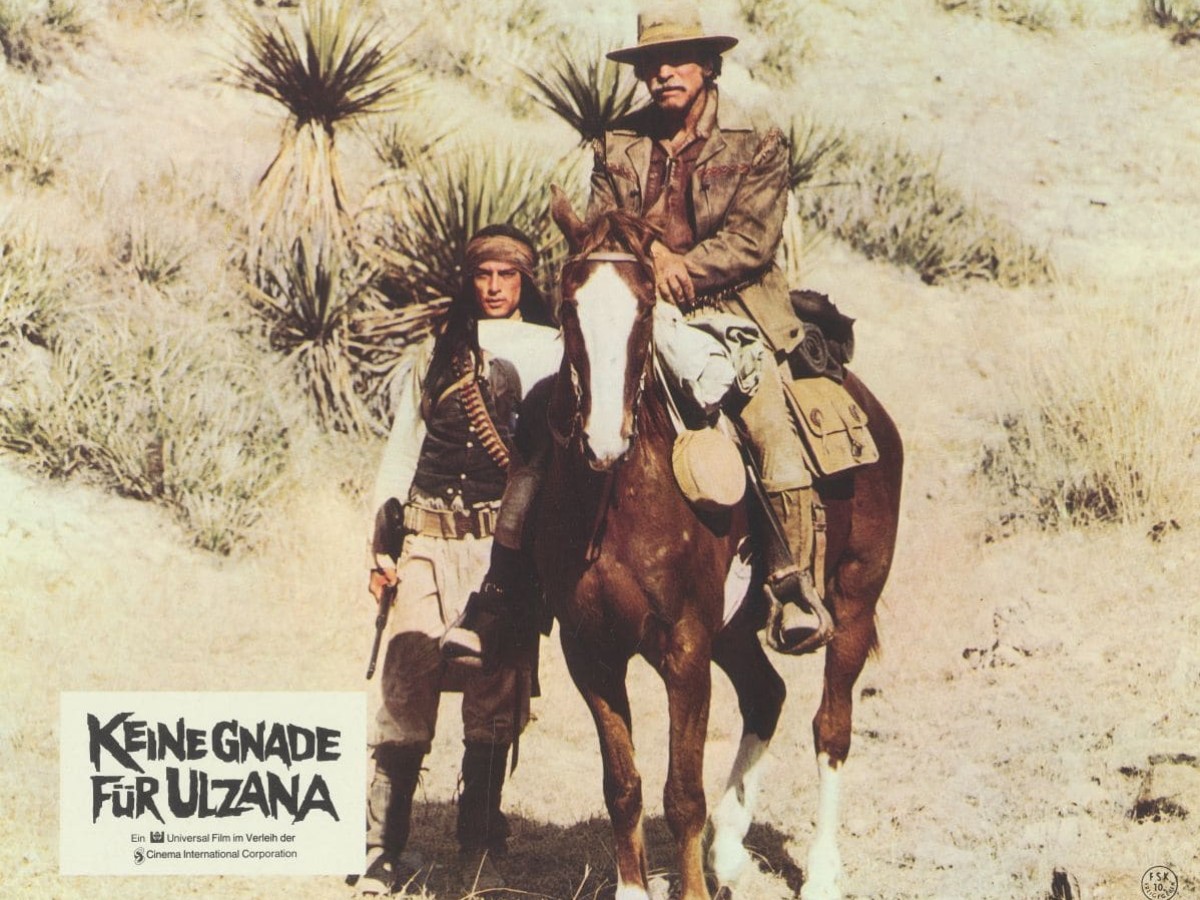
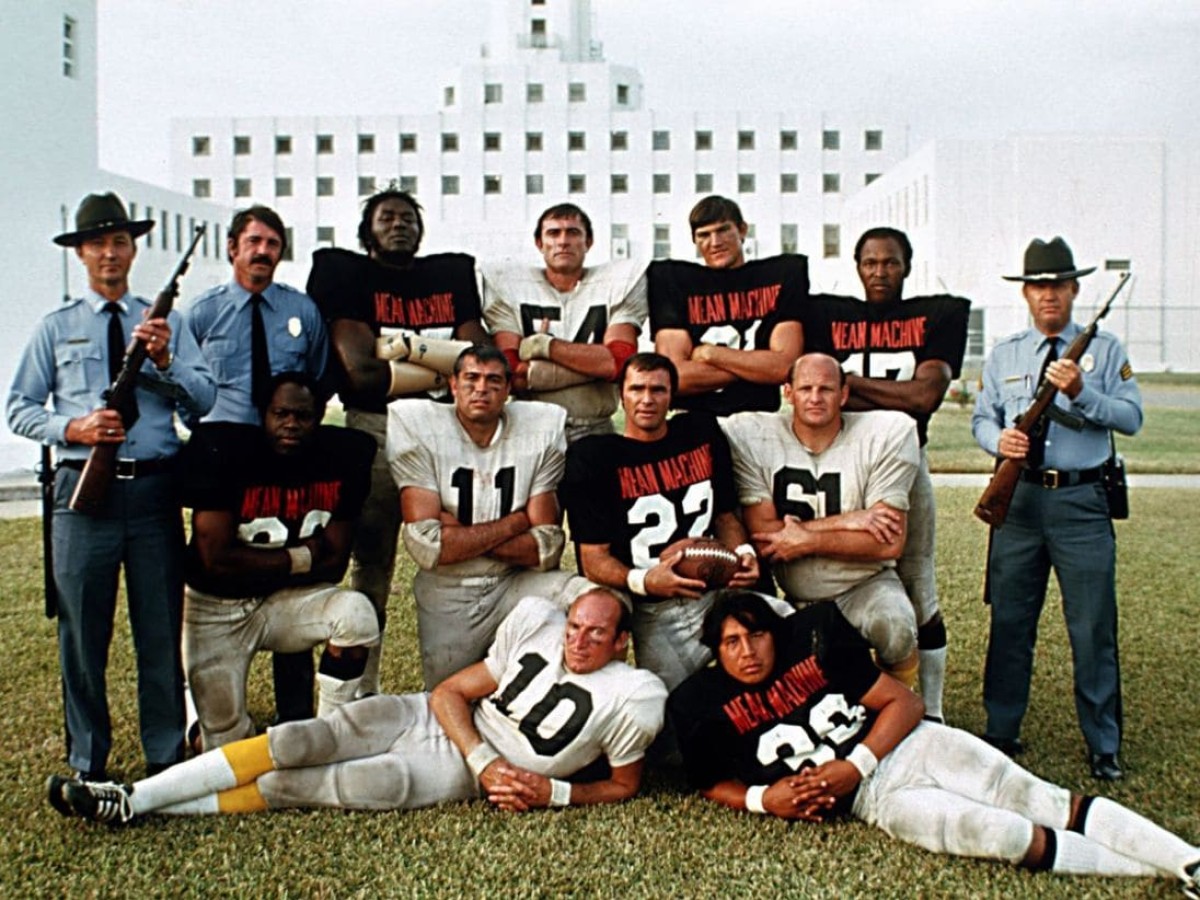
It goes without saying that Robert Aldrich (1918–83) is one of the greatest filmmakers in the history of Hollywood. Spanning almost three decades and thirty films, his directorial career was crowned by a series of global hits, including such famous titles as Vera Cruz (1954), What Ever Happened to Baby Jane (1962), The Dirty Dozen (1967) and The Longest Yard (1974). In between, he redefined entire genres with masterpieces like the apocalyptic film noir Kiss Me Deadly (1955) and the world-weary late-phase Western Ulzana's Raid (1972), earning critical acclaim in the process, albeit not always upon release. Even after just a handful of films, Aldrich was already being hailed in France as a prime example of the politique des auteurs by the soon-to-be filmmakers of the Nouvelle Vague, including Claude Chabrol, François Truffaut and Jean-Luc Godard, who were still working as critics at the time; the leading film publications Cahiers du cinéma and Positif, which were otherwise often at loggerheads, were unanimous in declaring 1955 the "Year of Aldrich."
But unlike such equally celebrated contemporaries as Samuel Fuller or Nicholas Ray, Aldrich was never canonised. Nor did he ever become as widely recognised as, say, Stanley Kubrick, even if some of Aldrich's films certainly did achieve similar name status: paradoxically, these works were too successful for Aldrich to be declared a "cult director," as might otherwise have been expected. Ultimately, however, it only seems fitting that a spirit as rebellious as that of Aldrich should resist conventional categorisations and be rediscovered time and again across different generations instead. The main reason for this is the peerlessly uncompromising nature of his work: although he made popular films for a mass audience, his message was always subversive. His central theme – life as a constant struggle – was uncomfortable: how does one survive in such a hostile world? Even among his most committed colleagues, few questioned the status quo as consistently as Aldrich, who only appeared to follow the formulas of the dream factory in order to subvert them though Brechtian exorcisms while always remaining true to himself. He had no qualms about offending all those around him, including his admirers and his audience. His films sprang from a combative personality: Aldrich's life and career were shaped by a rebellious spirit.
A fiercely anti-authoritarian stance
This was already evident in his early years: Robert (Burgess) Aldrich came from a prominent conservative family of considerable wealth and rebelled against their worldview. His grandfather Nelson Wilmart Aldrich had helped shape the policies of the Republican Party as the "General Manager of the Nation" at the turn of the twentieth century, while his aunt Abby Aldrich had married John D. Rockefeller, Jr. In keeping with tradition, Robert was expected to pursue a career in politics, finance or (like his father, Edward Burgess Aldrich) journalism, but he developed a passion for culture at university, became a "film nut" and decided to pursue a career in cinema instead. On the one occasion he used his family connections via an uncle to secure a Hollywood job in 1941, he was disinherited for his unseemly choice of career. Throughout his life, he distanced himself from the Aldrich-Rockefeller clan and their stance: "I can't imagine how people, certainly working people, can be Republicans." Aldrich showed a clear aversion to this family legacy in his work. His fiercely anti-authoritarian stance and pronounced sympathies for outsiders and the underprivileged as opposed to the wealthy establishment are clear reactions to his background. Aldrich's filmography is full of terrible parents, especially fathers and father figures, even if there a few exceptions to prove the rule.
"I went to work for RKO as a production clerk, a position that doesn't exist anymore. It is the lowest form of human life," was how Aldrich described the start of his Hollywood career. However, as a reliable, hard-working employee, he rose rapidly through the ranks at the studio after being exempted from military service due to a football injury once the USA entered the Second World War. By 1942, Aldrich had already reached the position of second assistant director; two years later, he became first assistant director on RKO short films and was soon able to set up his own business thanks to his excellent reputation. Over the next decade, Aldrich worked as an assistant and in other similar roles on over thirty films and learnt the craft of directing from some of the finest in the business, including William A. Wellman, Jean Renoir, Lewis Milestone, Joseph Losey and Charlie Chaplin, whom he described as his "mentors," while noting that "you learn just as much from the bad ones as you do from the good ones, strangely."
A core team of collaborators begins to form
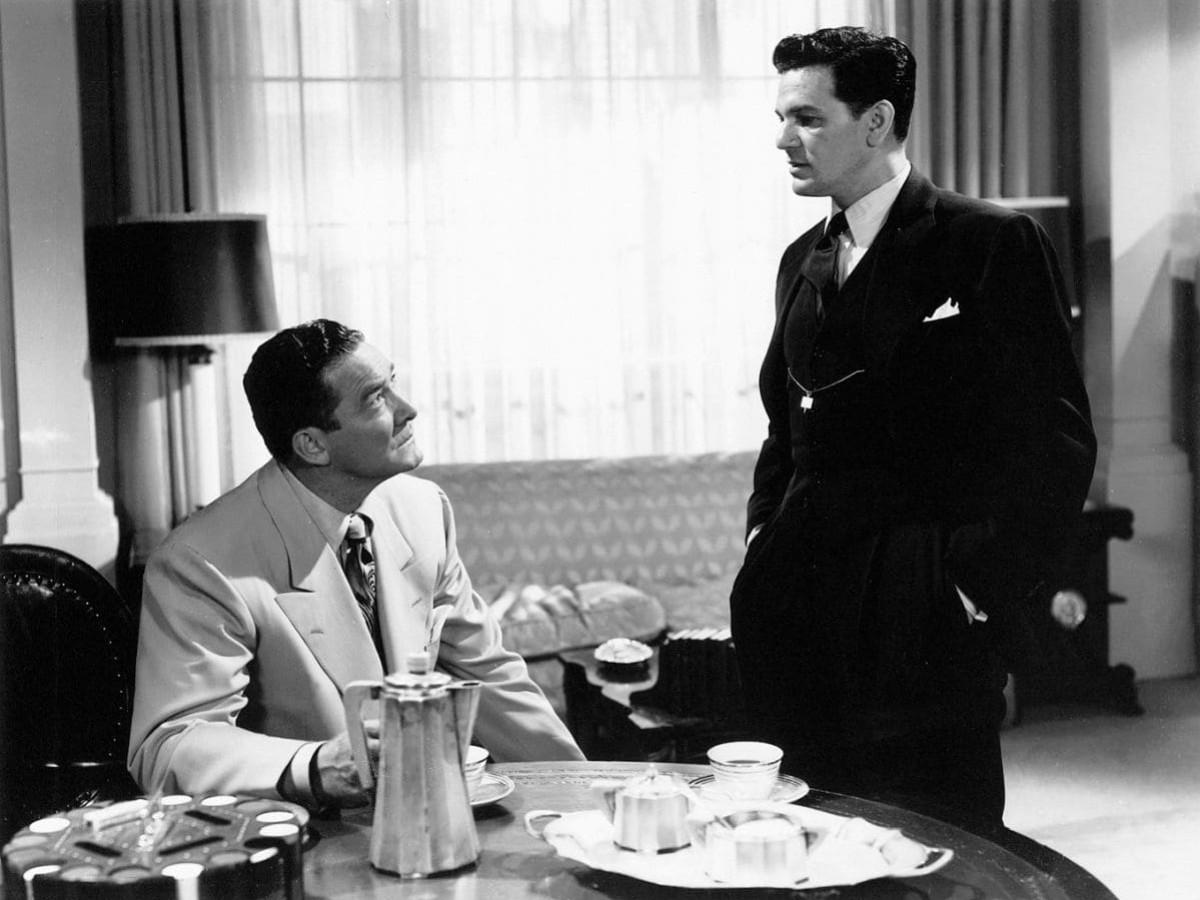
In the period immediately following the war, Aldrich’s position at independent production company Enterprise, which had been co-founded by actor John Garfield, proved particularly formative. Although the company folded after just a few years due to its focus on ambitious, socially critical films, Aldrich was impressed by the spirit of collaboration that prevailed there, as well as by the message conveyed by two films starring Garfield, both written by Abraham Polonsky: Robert Rossen's boxing drama Body and Soul (1947) and the radical noir Force of Evil (1948), directed by Polonsky himself. They each presented (anti-)heroes who allowed themselves to be corrupted before doing everything in their power to regain their integrity. This struggle for self-respect and its accompanying rejection of the (capitalist) system became central themes in Aldrich's later directorial work, and Polonsky remained one of his closest friends throughout his life. Like Garfield, Losey and other key figures from Aldrich's "apprenticeship" phase, Polonsky also became a prominent victim of the McCarthy-era Communist witch-hunt. Aldrich himself only escaped it because he had arrived in Hollywood "too late" to become a party member. However, he was known to have supported victims of Hollywood's "blacklist" – such as screenwriting couple Hugo Butler and Jean Rouverol – with jobs and money, even when he himself was on the brink of bankruptcy.
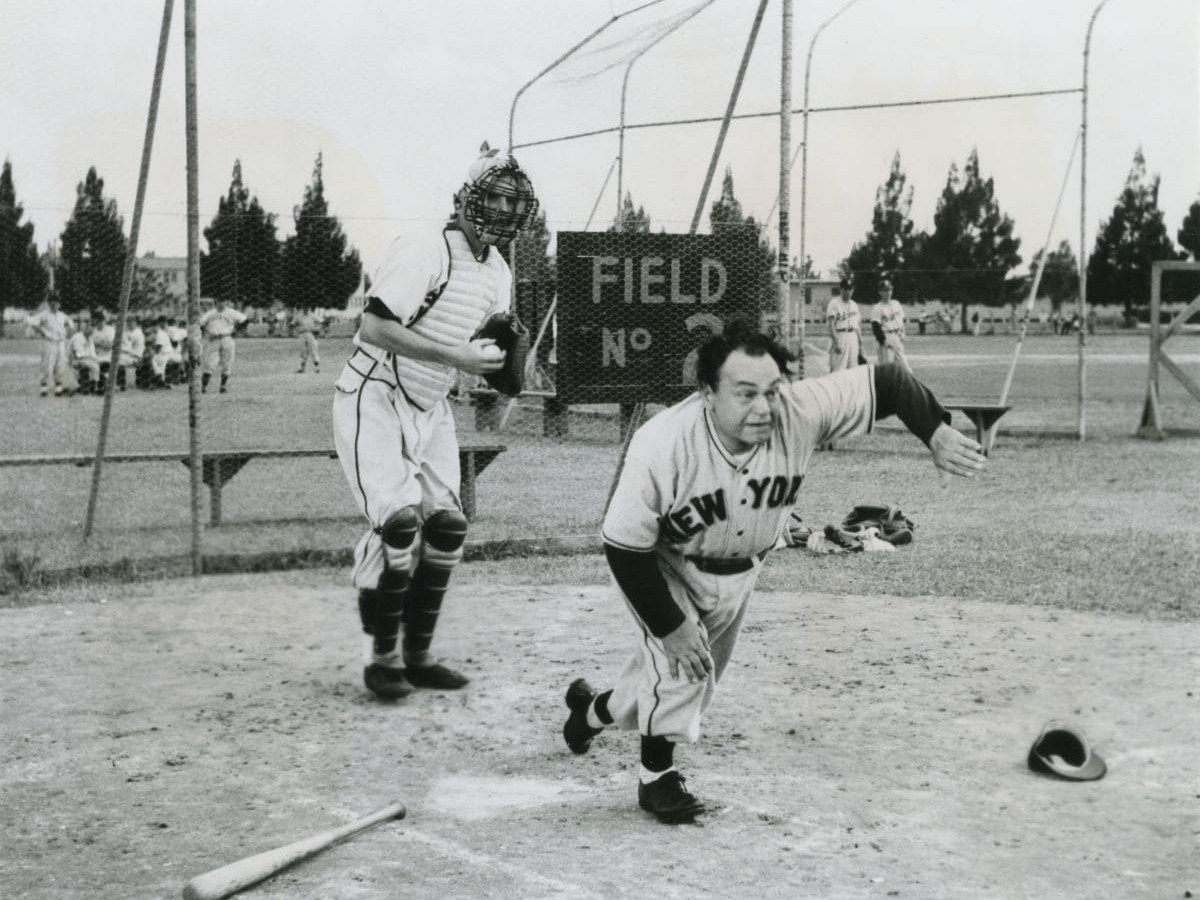
Through working as an assistant director to Chaplin on Limelight (1952), Alrich received the opportunity to direct for television himself. That same year, Aldrich, a self-confessed workaholic, shot 22 episodes for various TV series: "The sheer volume of these TV shows represented a marvellous internship." In no time at all, he had developed the foundations of his distinctive style and soon directed his first feature film: starring Edward G. Robinson, the no-frills baseball B-movie Big Leaguer (1953) was a showcase for his talent, lacking only the subversive edge that would become Aldrich's trademark. Yet this edge was already evident in the dirt-cheap, self-produced noir adventure World for Ransom (1954), which he made with star Dan Duryea during breaks between filming on the sets of the television series China Smith. It was during this time that a core team of collaborators began to form, a team that would soon morph into the independent production company The Associates & Aldrich. Editor Michael Luciano, cinematographer Joseph Biroc and composer (Frank) DeVol were all to end up accompanying him for many years: "You say five words and they know what you mean." Aldrich also put together an ensemble of actors: although one's thoughts initially turn to the particular stars who appeared in his hit films, whether Lee Marvin, Burt Lancaster, Bette Davis, Joan Crawford or Burt Reynolds, it is the recurring character actors who truly shape his directorial world, such as Richard Jaeckel, Wesley Addy, Charles Bronson and Ernest Borgnine (the latter two, like Marvin, only became stars over the course of working with Aldrich).
The director's characteristic blend of nihilism and vitality
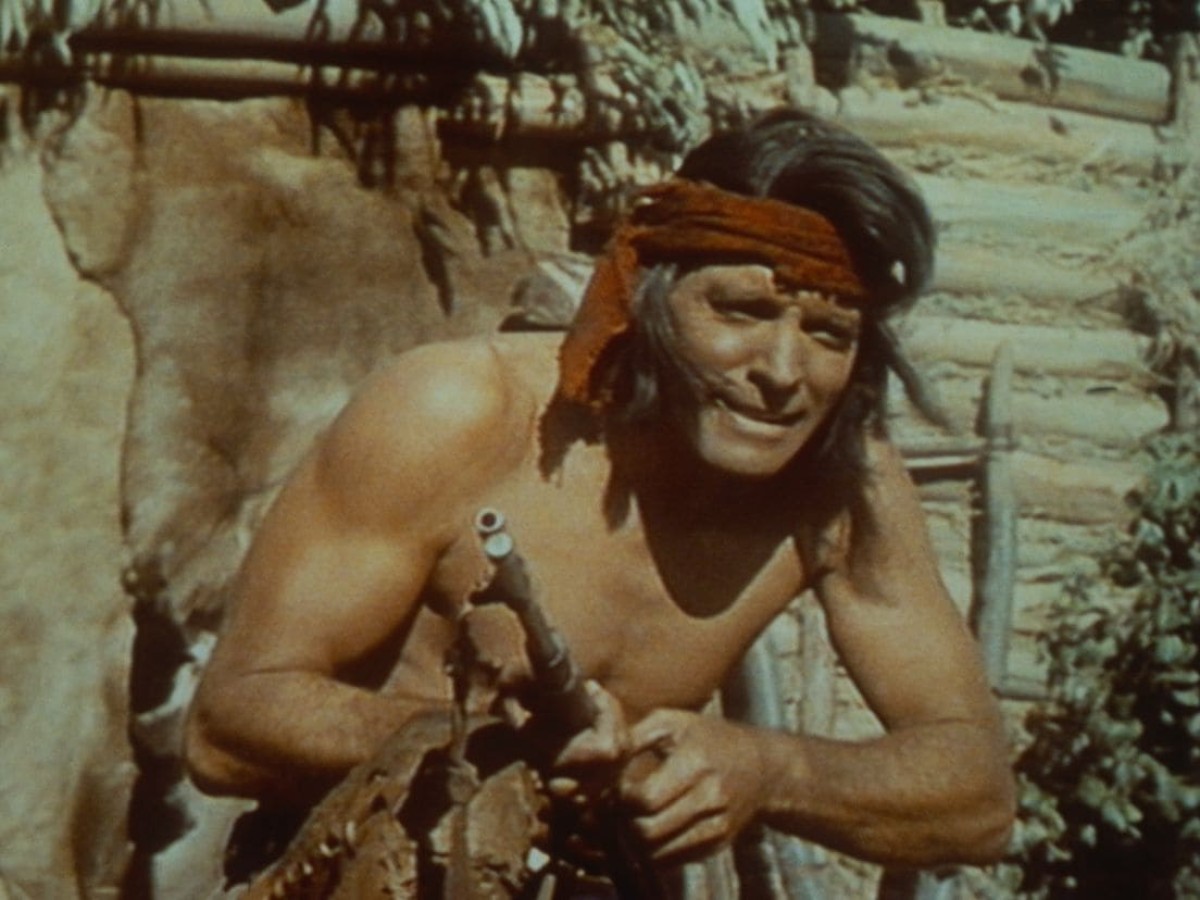
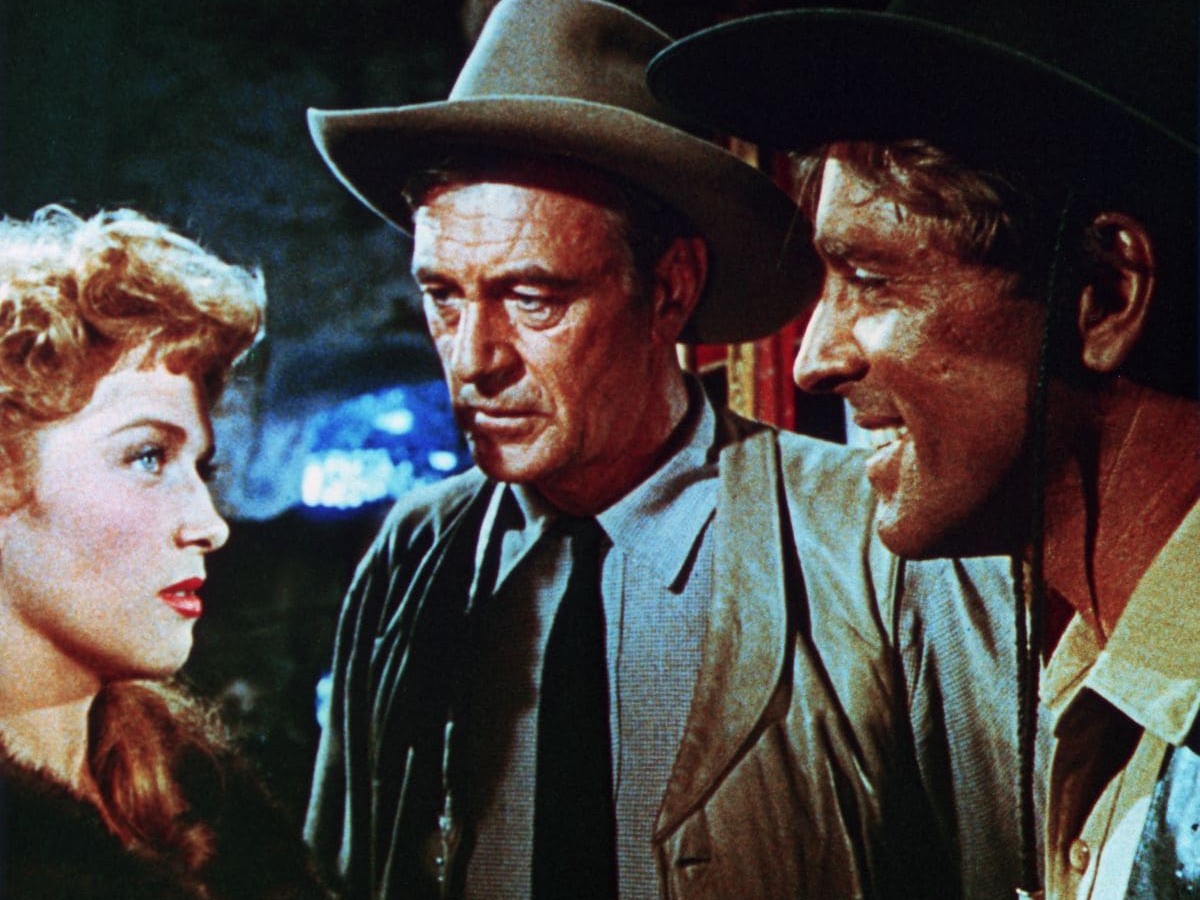
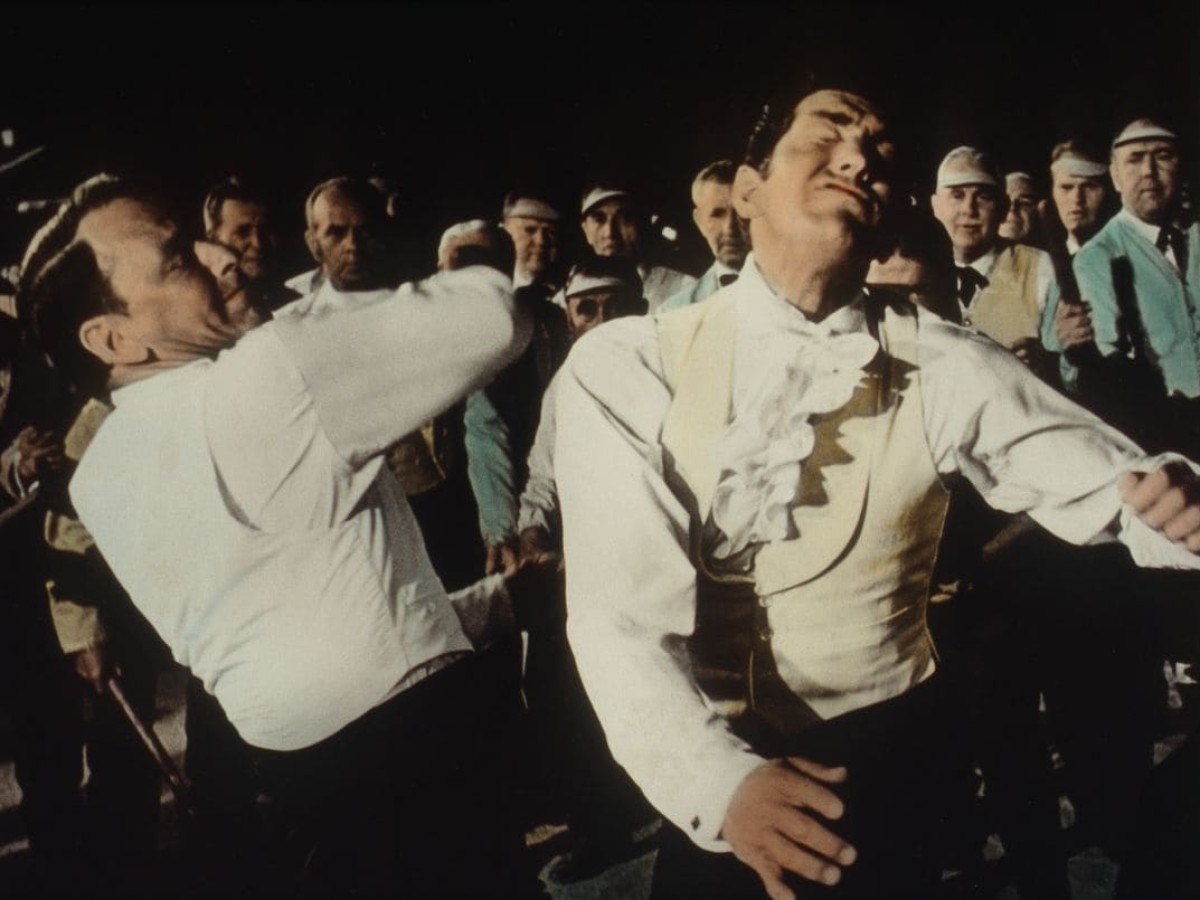
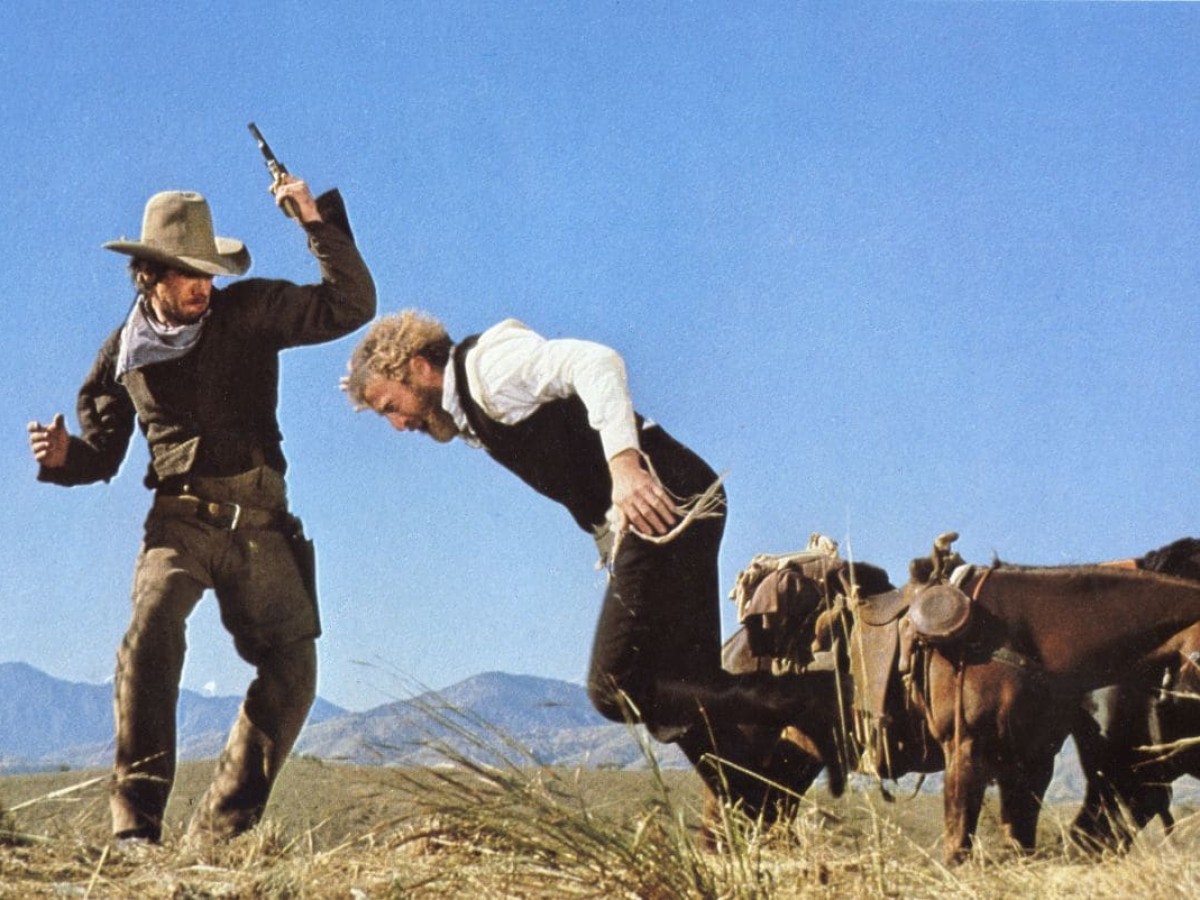
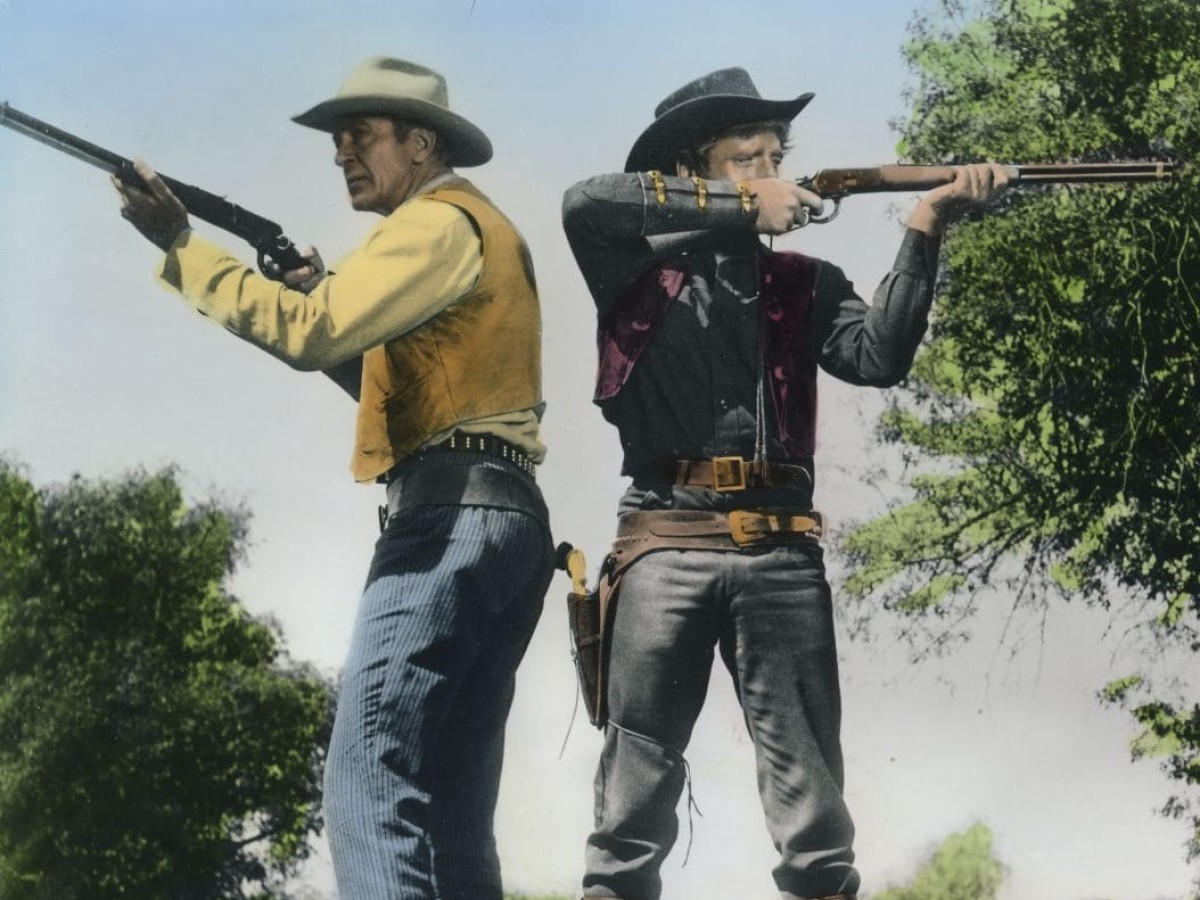
Lancaster and his production company helped the up-and-coming young director to make his breakthrough with two groundbreaking Westerns. Apache (1954) was the most radical of a wave of revisionist Westerns featuring "Native American" heroes (who, at the time, were invariably played by white Hollywood stars such as Lancaster): as a rebellious idealist who becomes a terrorist in the name of justice, the main character is the first of Aldrich's ambivalent outsider-protagonists. Vera Cruz was even more successful, in which Lancaster and Gary Cooper play prototypical Aldrich antagonists who respect one another despite their ideological differences. The almost amoral tone – the director's characteristic blend of nihilism and vitality – was revolutionary for the genre and foreshadowed the Spaghetti Westerns of the following decade. With Kiss Me Deadly, Aldrich then put a bomb under the film noir by turning a reactionary Mickey Spillane crime thriller on its head and transforming it almost imperceptibly into a science-fiction nightmare: an anti-McCarthy allegory whose bold directorial ideas were met with enthusiasm in France and played a decisive role in shaping the Nouvelle Vague. (The influence of this Aldrich cult classic has remained undiminished: the mysterious and dangerously gleaming "great whatsit" at the heart of his conspiracy mystery has reappeared in modified form in films such as Alex Cox's Repo Man (1984) or Quentin Tarantino's Pulp Fiction (1995).)
While Kiss Me Deadly may be the ultimate expression of the (nuclear) fears of the 1950s, it still, like all Aldrich films, speaks to the present: "They are the nameless ones who kill people for the great whatsit" is perhaps the most poetic expression of Aldrich's anti-authoritarian stance and his contempt for greed, power and their corrupting influence. It invites us to draw contemporary parallels to current wars, corrupt leaders or the most recent excesses of the capitalist system, even if the core of Aldrich's work is timeless: life is a constant struggle, and this struggle – for survival, for self-respect and for one's own convictions – is a universal experience. With The Big Knife (1955), the first production made under the Associates & Aldrich banner, he shifted the focus to create a scathingly provocative portrait of his own industry, going on to do much the same thing in 1956's Attack (1956) in relation to the US military. Both films were also surprising in terms of their aggressive theatricality, which underlines the Brechtian dialectic of Aldrich's approach: despite his film's commercially appealing concepts, he challenged audiences with ambiguity. The particular complexity of his cinema also stems from a powerful fusion of Hollywood entertainment with "European" modernism even before these elements came together in the "New Hollywood" of the late 1960s.
Making films that struck a chord with audiences at regular intervals
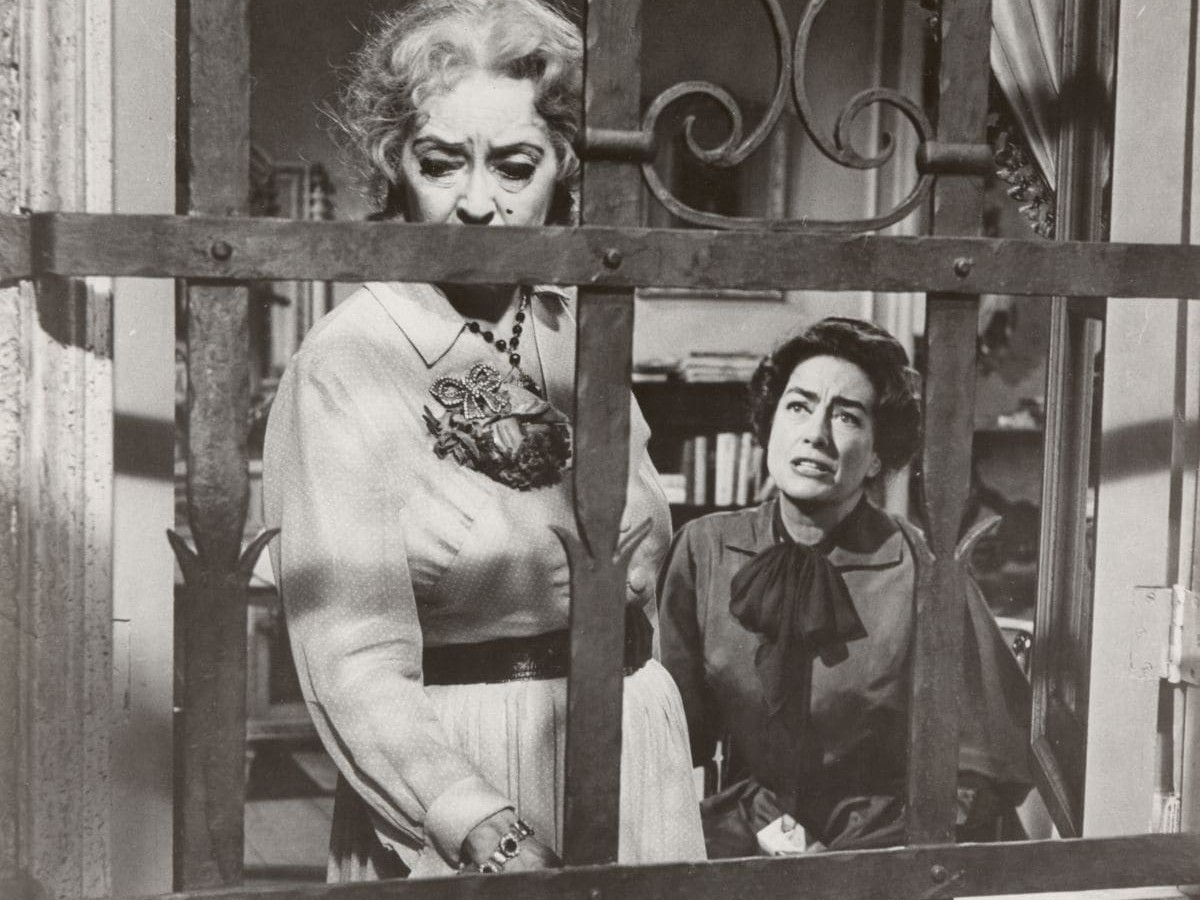
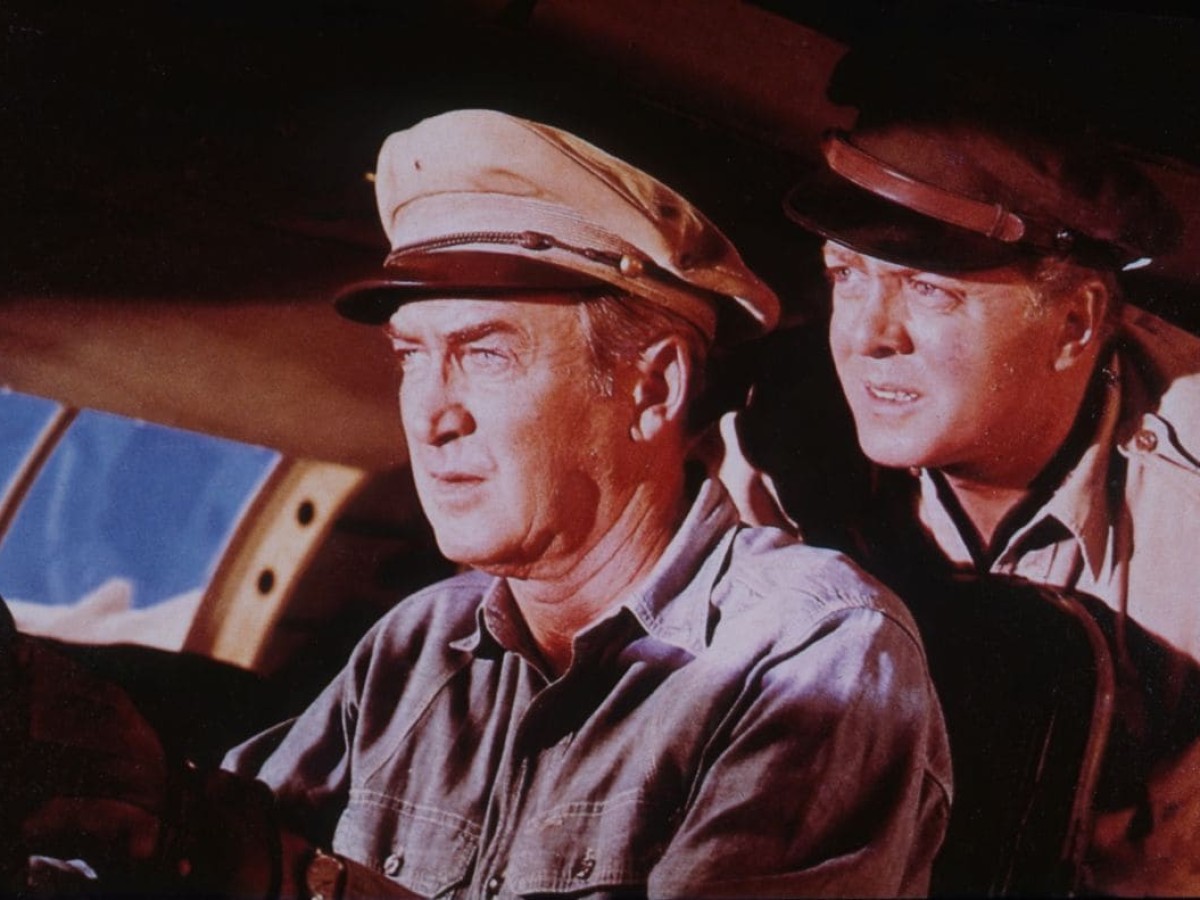
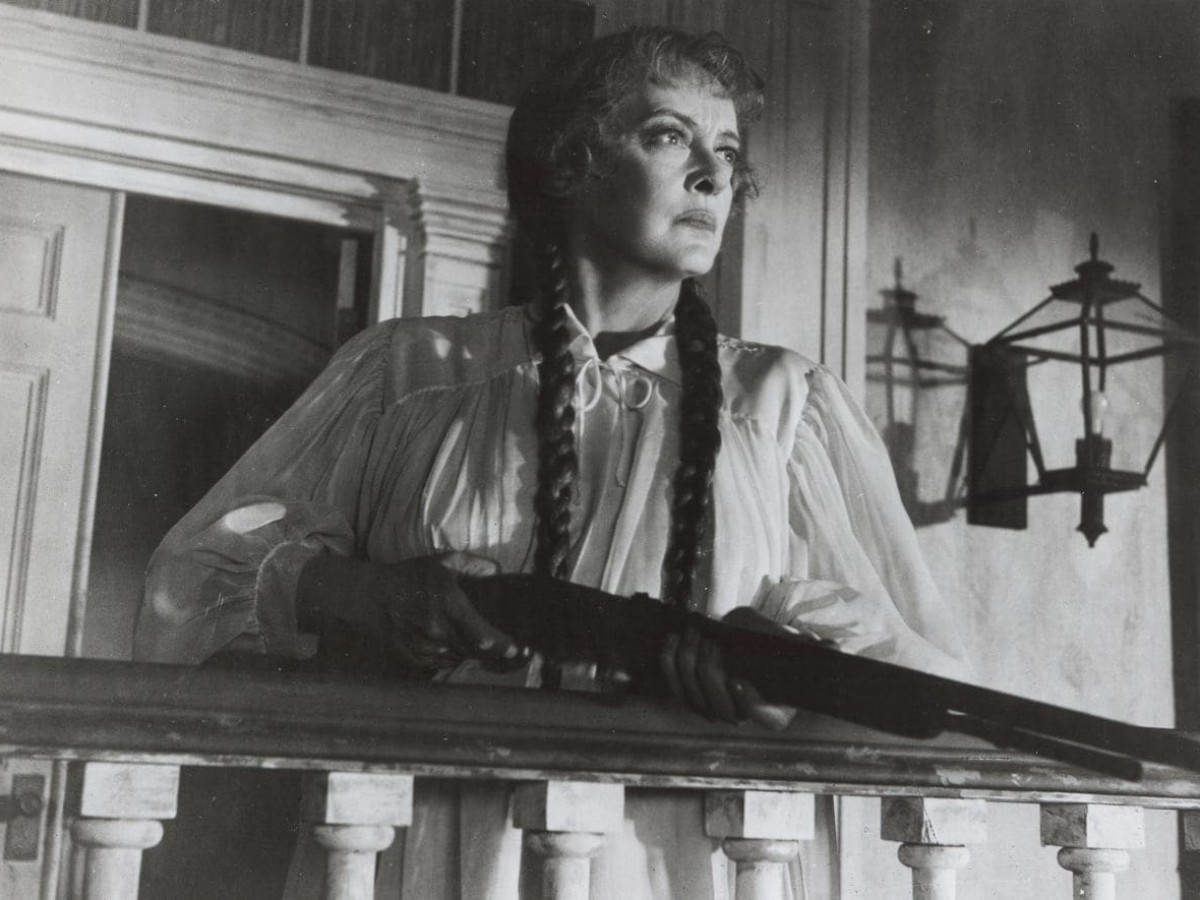
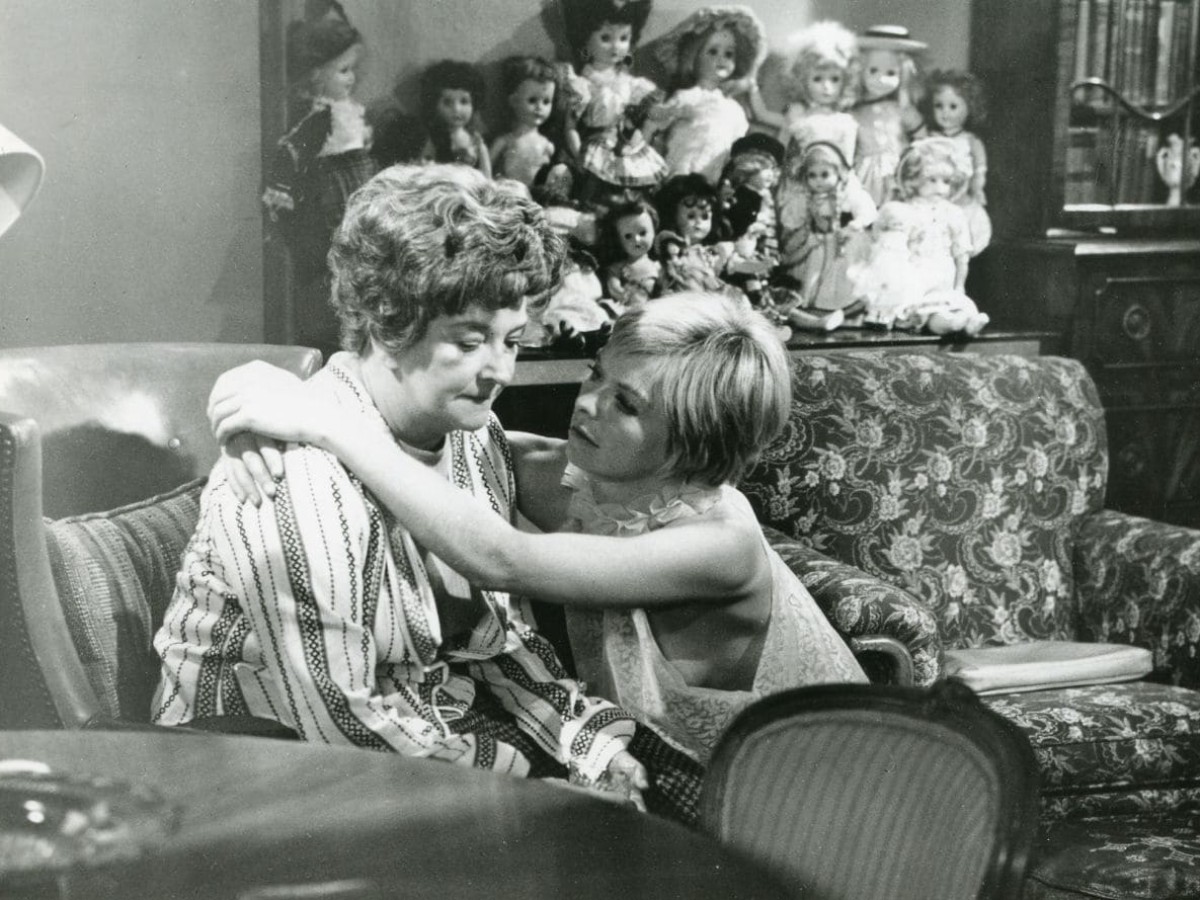
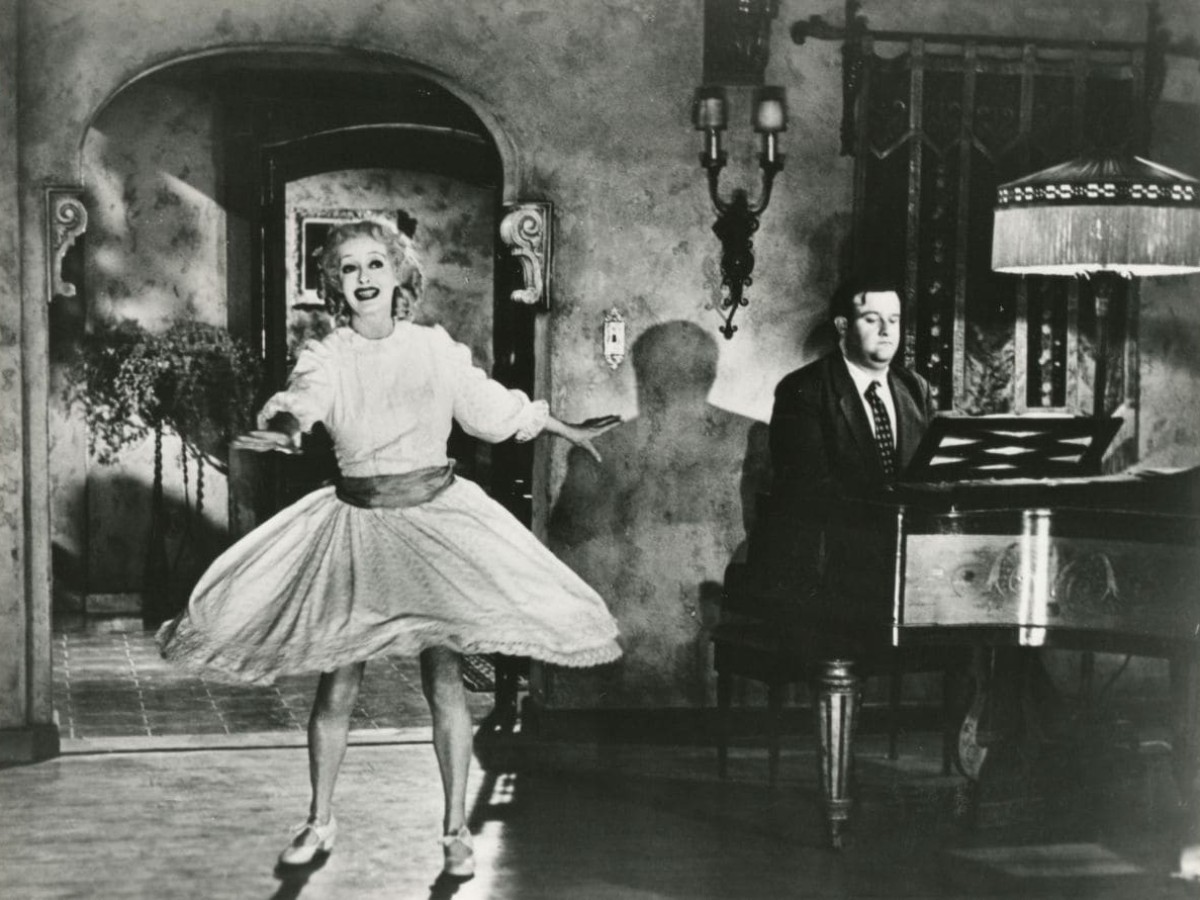
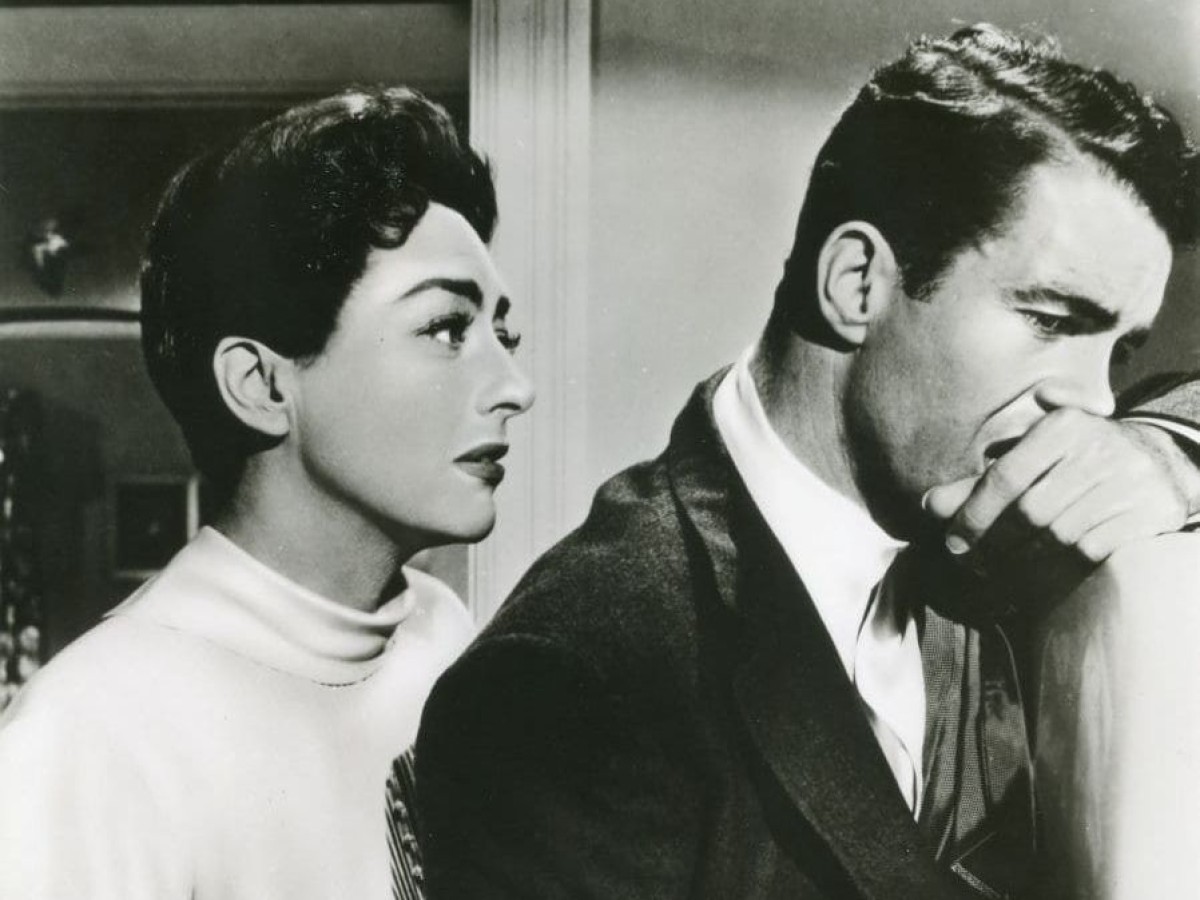
Aldrich's artistic acclaim reached its high water mark in the mid-1950s: he had just won awards at the Venice and Berlin Film Festivals (for the dark Crawford melodrama Autumn Leaves, 1956) when his career came to an abrupt halt after his crime exposé The Garment Jungle (1957) proved a bridge too far and he was fired by Columbia boss Harry Cohn during filming. In the years that followed, Aldrich remained out of work in Hollywood before making a triumphant comeback with What Ever Happened to Baby Jane? – ironically and fittingly with a horror film that literally depicts the crippling effects of showbusiness. (A favourite theme of Aldrich's, whose almost schizophrenic relationship with Hollywood – despite his open criticism of the system, he couldn't break free from it – left its mark on many of his films and culminated in 1968 in the corrosive camp satire The Legend of Lylah Clare). In the second phase of his career, Aldrich showed considerable skill in balancing personal and popular cinema and remained in the business by making films that struck a chord with audiences at regular intervals. Many of his films which went on to become classics – such as the desert survival adventure The Flight of the Phoenix (1965), which illustrated his existentialist worldview in a comparatively optimistic light – were initially commercial disappointments. But he was also able to land big hits once again, such as The Dirty Dozen, which enabled him to make himself independent by founding his own studio. Yet he was to squander that success almost immediately with the uncompromising films that followed. Aldrich's confrontational nature certainly contributed to this roller-coaster ride of financial ups and downs, regularly leading to disputes (often played out in court) with producers, actors and even the Motion Picture Association of America (after it gave The Killing of Sister George the then-scandalous X rating in 1968 due to its depiction of a lesbian relationship). Yet in reality all this was just a logical consequence of his personal integrity, which stemmed from the conviction that one had to challenge the system as far as possible.
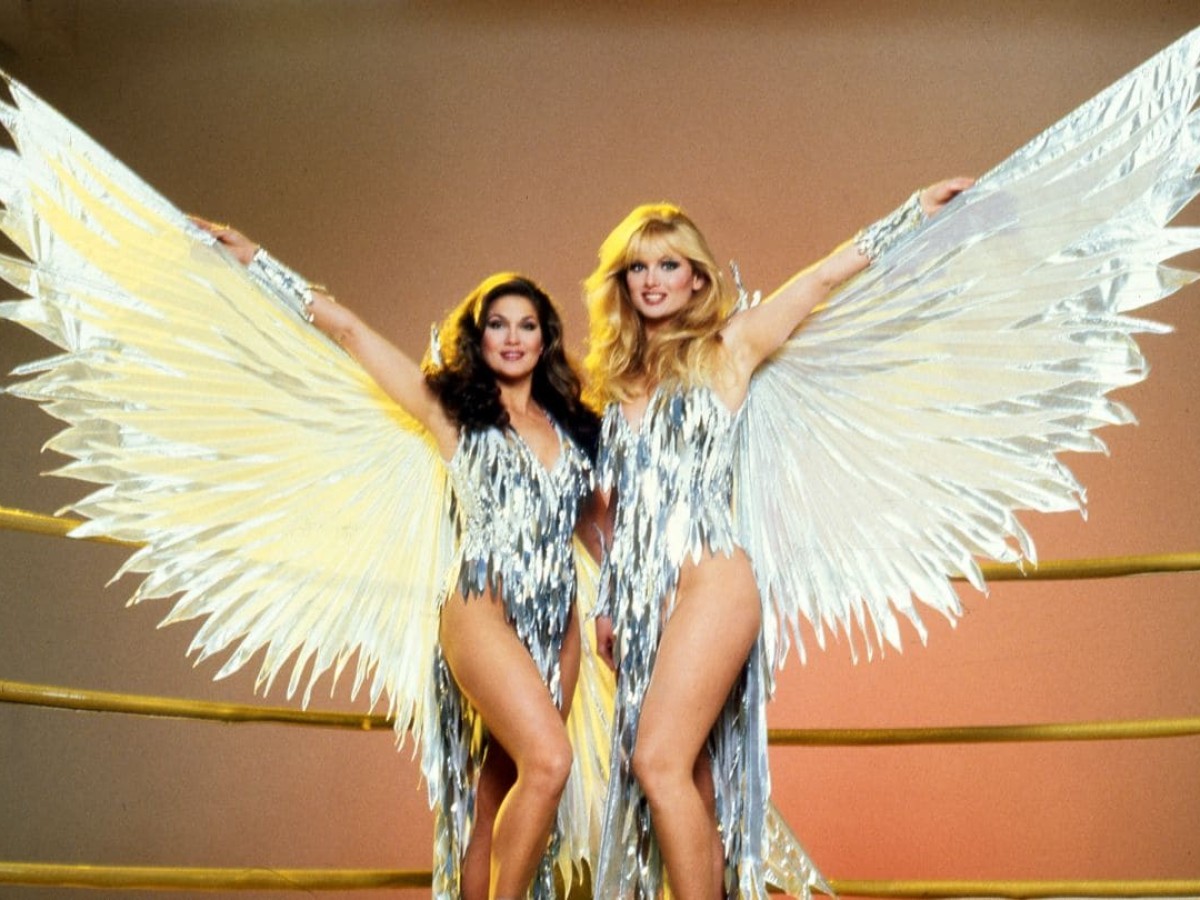
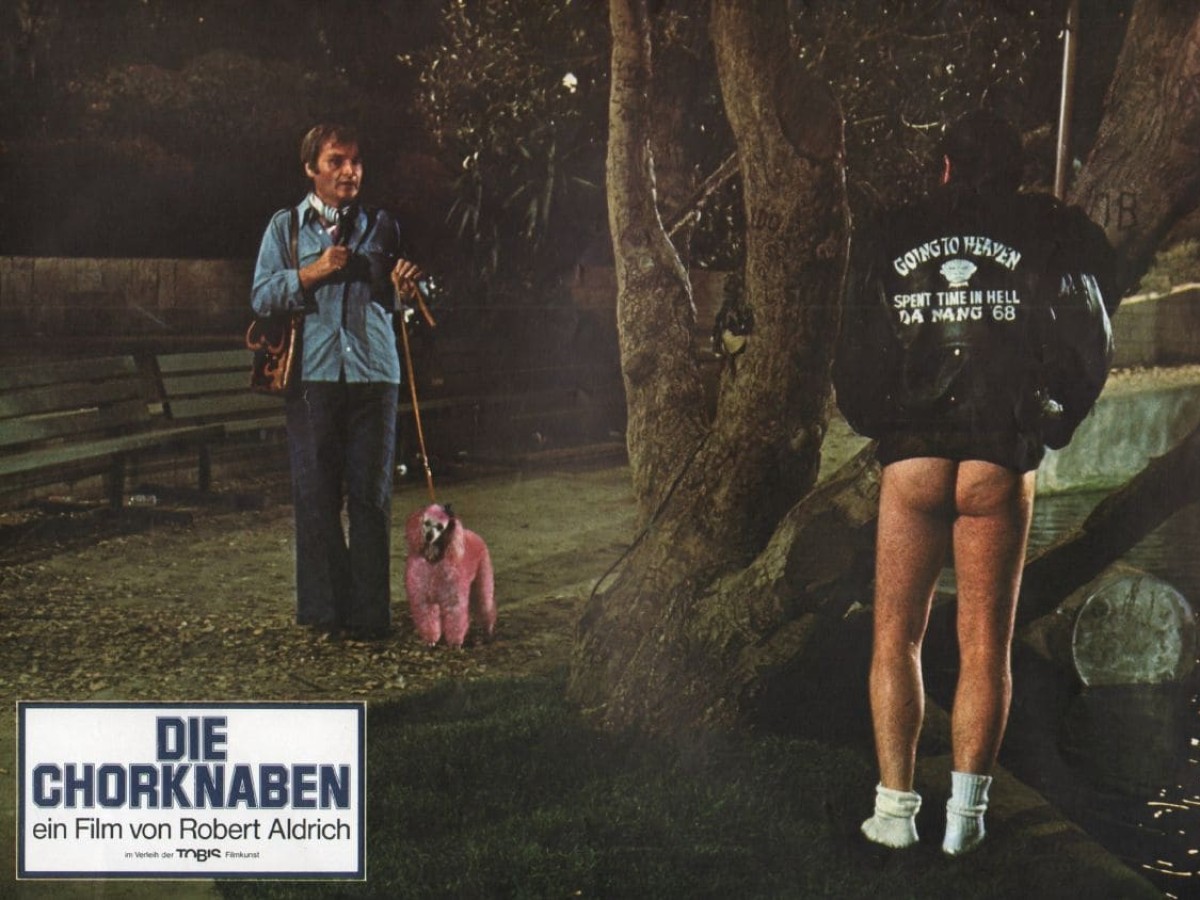
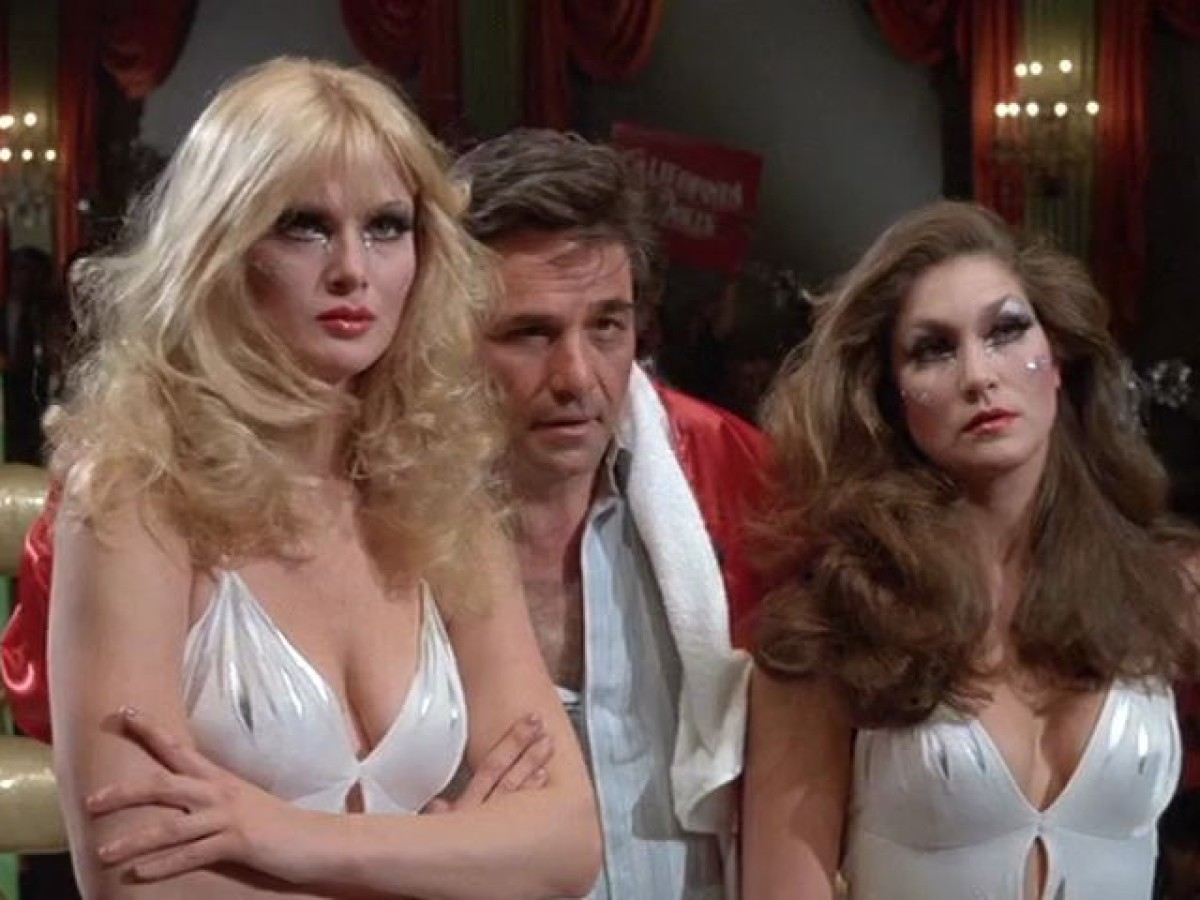
Aldrich remained true to this principle until the very end. After his studio went under, he had to return to accepting "commissioned work" from 1972 onwards, which he directed with the same inimitable, nonconformist style as his passion projects. In doing so, he once again demonstrated astonishing versatility—ranging from the characteristically unclassifiable Depression-era action ballad Emperor of the North (1973) to the epic nuclear-missile political thriller Twilight's Last Gleaming (1977) and taking in the bitter neo-noir Hustle (1975) and its farcical parody The Choirboys (1977) all the way to his magnificent swan song ...All the Marbles (1981) – about female wrestlers on tour through the industrial ruins of early Reaganomics – while remaining unyielding in his criticism of social injustices and the abuse of power. (At the same time, as president of Hollywood's Directors Guild of America (DGA), he secured groundbreaking contracts for creative professionals.) He even faced death with the same resolve he brought to life. When he became unable to work in 1983 following various unsuccessful surgeries, he had himself taken off the dialysis machine and went home: "I choose to die on my own terms."
He left a void in Hollywood cinema that has never been filled. (Christoph Huber)
The Robert Aldrich retrospective is nearly complete – two films cannot currently be shown due to rights issues – and, with a few exceptions, presents his body of work (including a key project he worked on as an assistant director) once again in its original format on historic 35mm prints. We would like to thank our friends at the film archives and collectors who made this possible.
A joint retrospective by the Viennale and the Austrian Film Museum
Special ticket regulations apply during the Viennale.
Alongside the retrospective, the bilingual book Robert Aldrich: Hollywood Rebel / Rebell in Hollywood by Christoph Huber has been published. The book launch will take place on October 25, 2026, at 4 p.m.
Introductions by Christoph Huber, as well as Dominik Graf and Christian Petzold, at select screenings
It goes without saying that Robert Aldrich (1918–83) is one of the greatest filmmakers in the history of Hollywood. Spanning almost three decades and thirty films, his directorial career was crowned by a series of global hits, including such famous titles as Vera Cruz (1954), What Ever Happened to Baby Jane (1962), The Dirty Dozen (1967) and The Longest Yard (1974). In between, he redefined entire genres with masterpieces like the apocalyptic film noir Kiss Me Deadly (1955) and the world-weary late-phase Western Ulzana's Raid (1972), earning critical acclaim in the process, albeit not always upon release. Even after just a handful of films, Aldrich was already being hailed in France as a prime example of the politique des auteurs by the soon-to-be filmmakers of the Nouvelle Vague, including Claude Chabrol, François Truffaut and Jean-Luc Godard, who were still working as critics at the time; the leading film publications Cahiers du cinéma and Positif, which were otherwise often at loggerheads, were unanimous in declaring 1955 the "Year of Aldrich."
But unlike such equally celebrated contemporaries as Samuel Fuller or Nicholas Ray, Aldrich was never canonised. Nor did he ever become as widely recognised as, say, Stanley Kubrick, even if some of Aldrich's films certainly did achieve similar name status: paradoxically, these works were too successful for Aldrich to be declared a "cult director," as might otherwise have been expected. Ultimately, however, it only seems fitting that a spirit as rebellious as that of Aldrich should resist conventional categorisations and be rediscovered time and again across different generations instead. The main reason for this is the peerlessly uncompromising nature of his work: although he made popular films for a mass audience, his message was always subversive. His central theme – life as a constant struggle – was uncomfortable: how does one survive in such a hostile world? Even among his most committed colleagues, few questioned the status quo as consistently as Aldrich, who only appeared to follow the formulas of the dream factory in order to subvert them though Brechtian exorcisms while always remaining true to himself. He had no qualms about offending all those around him, including his admirers and his audience. His films sprang from a combative personality: Aldrich's life and career were shaped by a rebellious spirit.
A fiercely anti-authoritarian stance
This was already evident in his early years: Robert (Burgess) Aldrich came from a prominent conservative family of considerable wealth and rebelled against their worldview. His grandfather Nelson Wilmart Aldrich had helped shape the policies of the Republican Party as the "General Manager of the Nation" at the turn of the twentieth century, while his aunt Abby Aldrich had married John D. Rockefeller, Jr. In keeping with tradition, Robert was expected to pursue a career in politics, finance or (like his father, Edward Burgess Aldrich) journalism, but he developed a passion for culture at university, became a "film nut" and decided to pursue a career in cinema instead. On the one occasion he used his family connections via an uncle to secure a Hollywood job in 1941, he was disinherited for his unseemly choice of career. Throughout his life, he distanced himself from the Aldrich-Rockefeller clan and their stance: "I can't imagine how people, certainly working people, can be Republicans." Aldrich showed a clear aversion to this family legacy in his work. His fiercely anti-authoritarian stance and pronounced sympathies for outsiders and the underprivileged as opposed to the wealthy establishment are clear reactions to his background. Aldrich's filmography is full of terrible parents, especially fathers and father figures, even if there a few exceptions to prove the rule.
"I went to work for RKO as a production clerk, a position that doesn't exist anymore. It is the lowest form of human life," was how Aldrich described the start of his Hollywood career. However, as a reliable, hard-working employee, he rose rapidly through the ranks at the studio after being exempted from military service due to a football injury once the USA entered the Second World War. By 1942, Aldrich had already reached the position of second assistant director; two years later, he became first assistant director on RKO short films and was soon able to set up his own business thanks to his excellent reputation. Over the next decade, Aldrich worked as an assistant and in other similar roles on over thirty films and learnt the craft of directing from some of the finest in the business, including William A. Wellman, Jean Renoir, Lewis Milestone, Joseph Losey and Charlie Chaplin, whom he described as his "mentors," while noting that "you learn just as much from the bad ones as you do from the good ones, strangely."
A core team of collaborators begins to form
In the period immediately following the war, Aldrich’s position at independent production company Enterprise, which had been co-founded by actor John Garfield, proved particularly formative. Although the company folded after just a few years due to its focus on ambitious, socially critical films, Aldrich was impressed by the spirit of collaboration that prevailed there, as well as by the message conveyed by two films starring Garfield, both written by Abraham Polonsky: Robert Rossen's boxing drama Body and Soul (1947) and the radical noir Force of Evil (1948), directed by Polonsky himself. They each presented (anti-)heroes who allowed themselves to be corrupted before doing everything in their power to regain their integrity. This struggle for self-respect and its accompanying rejection of the (capitalist) system became central themes in Aldrich's later directorial work, and Polonsky remained one of his closest friends throughout his life. Like Garfield, Losey and other key figures from Aldrich's "apprenticeship" phase, Polonsky also became a prominent victim of the McCarthy-era Communist witch-hunt. Aldrich himself only escaped it because he had arrived in Hollywood "too late" to become a party member. However, he was known to have supported victims of Hollywood's "blacklist" – such as screenwriting couple Hugo Butler and Jean Rouverol – with jobs and money, even when he himself was on the brink of bankruptcy.
Through working as an assistant director to Chaplin on Limelight (1952), Alrich received the opportunity to direct for television himself. That same year, Aldrich, a self-confessed workaholic, shot 22 episodes for various TV series: "The sheer volume of these TV shows represented a marvellous internship." In no time at all, he had developed the foundations of his distinctive style and soon directed his first feature film: starring Edward G. Robinson, the no-frills baseball B-movie Big Leaguer (1953) was a showcase for his talent, lacking only the subversive edge that would become Aldrich's trademark. Yet this edge was already evident in the dirt-cheap, self-produced noir adventure World for Ransom (1954), which he made with star Dan Duryea during breaks between filming on the sets of the television series China Smith. It was during this time that a core team of collaborators began to form, a team that would soon morph into the independent production company The Associates & Aldrich. Editor Michael Luciano, cinematographer Joseph Biroc and composer (Frank) DeVol were all to end up accompanying him for many years: "You say five words and they know what you mean." Aldrich also put together an ensemble of actors: although one's thoughts initially turn to the particular stars who appeared in his hit films, whether Lee Marvin, Burt Lancaster, Bette Davis, Joan Crawford or Burt Reynolds, it is the recurring character actors who truly shape his directorial world, such as Richard Jaeckel, Wesley Addy, Charles Bronson and Ernest Borgnine (the latter two, like Marvin, only became stars over the course of working with Aldrich).
The director's characteristic blend of nihilism and vitality
Lancaster and his production company helped the up-and-coming young director to make his breakthrough with two groundbreaking Westerns. Apache (1954) was the most radical of a wave of revisionist Westerns featuring "Native American" heroes (who, at the time, were invariably played by white Hollywood stars such as Lancaster): as a rebellious idealist who becomes a terrorist in the name of justice, the main character is the first of Aldrich's ambivalent outsider-protagonists. Vera Cruz was even more successful, in which Lancaster and Gary Cooper play prototypical Aldrich antagonists who respect one another despite their ideological differences. The almost amoral tone – the director's characteristic blend of nihilism and vitality – was revolutionary for the genre and foreshadowed the Spaghetti Westerns of the following decade. With Kiss Me Deadly, Aldrich then put a bomb under the film noir by turning a reactionary Mickey Spillane crime thriller on its head and transforming it almost imperceptibly into a science-fiction nightmare: an anti-McCarthy allegory whose bold directorial ideas were met with enthusiasm in France and played a decisive role in shaping the Nouvelle Vague. (The influence of this Aldrich cult classic has remained undiminished: the mysterious and dangerously gleaming "great whatsit" at the heart of his conspiracy mystery has reappeared in modified form in films such as Alex Cox's Repo Man (1984) or Quentin Tarantino's Pulp Fiction (1995).)
While Kiss Me Deadly may be the ultimate expression of the (nuclear) fears of the 1950s, it still, like all Aldrich films, speaks to the present: "They are the nameless ones who kill people for the great whatsit" is perhaps the most poetic expression of Aldrich's anti-authoritarian stance and his contempt for greed, power and their corrupting influence. It invites us to draw contemporary parallels to current wars, corrupt leaders or the most recent excesses of the capitalist system, even if the core of Aldrich's work is timeless: life is a constant struggle, and this struggle – for survival, for self-respect and for one's own convictions – is a universal experience. With The Big Knife (1955), the first production made under the Associates & Aldrich banner, he shifted the focus to create a scathingly provocative portrait of his own industry, going on to do much the same thing in 1956's Attack (1956) in relation to the US military. Both films were also surprising in terms of their aggressive theatricality, which underlines the Brechtian dialectic of Aldrich's approach: despite his film's commercially appealing concepts, he challenged audiences with ambiguity. The particular complexity of his cinema also stems from a powerful fusion of Hollywood entertainment with "European" modernism even before these elements came together in the "New Hollywood" of the late 1960s.
Making films that struck a chord with audiences at regular intervals
Aldrich's artistic acclaim reached its high water mark in the mid-1950s: he had just won awards at the Venice and Berlin Film Festivals (for the dark Crawford melodrama Autumn Leaves, 1956) when his career came to an abrupt halt after his crime exposé The Garment Jungle (1957) proved a bridge too far and he was fired by Columbia boss Harry Cohn during filming. In the years that followed, Aldrich remained out of work in Hollywood before making a triumphant comeback with What Ever Happened to Baby Jane? – ironically and fittingly with a horror film that literally depicts the crippling effects of showbusiness. (A favourite theme of Aldrich's, whose almost schizophrenic relationship with Hollywood – despite his open criticism of the system, he couldn't break free from it – left its mark on many of his films and culminated in 1968 in the corrosive camp satire The Legend of Lylah Clare). In the second phase of his career, Aldrich showed considerable skill in balancing personal and popular cinema and remained in the business by making films that struck a chord with audiences at regular intervals. Many of his films which went on to become classics – such as the desert survival adventure The Flight of the Phoenix (1965), which illustrated his existentialist worldview in a comparatively optimistic light – were initially commercial disappointments. But he was also able to land big hits once again, such as The Dirty Dozen, which enabled him to make himself independent by founding his own studio. Yet he was to squander that success almost immediately with the uncompromising films that followed. Aldrich's confrontational nature certainly contributed to this roller-coaster ride of financial ups and downs, regularly leading to disputes (often played out in court) with producers, actors and even the Motion Picture Association of America (after it gave The Killing of Sister George the then-scandalous X rating in 1968 due to its depiction of a lesbian relationship). Yet in reality all this was just a logical consequence of his personal integrity, which stemmed from the conviction that one had to challenge the system as far as possible.
Aldrich remained true to this principle until the very end. After his studio went under, he had to return to accepting "commissioned work" from 1972 onwards, which he directed with the same inimitable, nonconformist style as his passion projects. In doing so, he once again demonstrated astonishing versatility—ranging from the characteristically unclassifiable Depression-era action ballad Emperor of the North (1973) to the epic nuclear-missile political thriller Twilight's Last Gleaming (1977) and taking in the bitter neo-noir Hustle (1975) and its farcical parody The Choirboys (1977) all the way to his magnificent swan song ...All the Marbles (1981) – about female wrestlers on tour through the industrial ruins of early Reaganomics – while remaining unyielding in his criticism of social injustices and the abuse of power. (At the same time, as president of Hollywood's Directors Guild of America (DGA), he secured groundbreaking contracts for creative professionals.) He even faced death with the same resolve he brought to life. When he became unable to work in 1983 following various unsuccessful surgeries, he had himself taken off the dialysis machine and went home: "I choose to die on my own terms."
He left a void in Hollywood cinema that has never been filled. (Christoph Huber)
The Robert Aldrich retrospective is nearly complete – two films cannot currently be shown due to rights issues – and, with a few exceptions, presents his body of work (including a key project he worked on as an assistant director) once again in its original format on historic 35mm prints. We would like to thank our friends at the film archives and collectors who made this possible.
A joint retrospective by the Viennale and the Austrian Film Museum
Special ticket regulations apply during the Viennale.
Alongside the retrospective, the bilingual book Robert Aldrich: Hollywood Rebel / Rebell in Hollywood by Christoph Huber has been published. The book launch will take place on October 25, 2026, at 4 p.m.
Introductions by Christoph Huber, as well as Dominik Graf and Christian Petzold, at select screenings
Related materials
For each series, films are listed in screening order.