The history of LGBTIQ* in Austria has often been told through the lens of laws and legal frameworks, shaped by decades of state persecution and social marginalization: as a story of living in secrecy, of victimhood, and hiding.
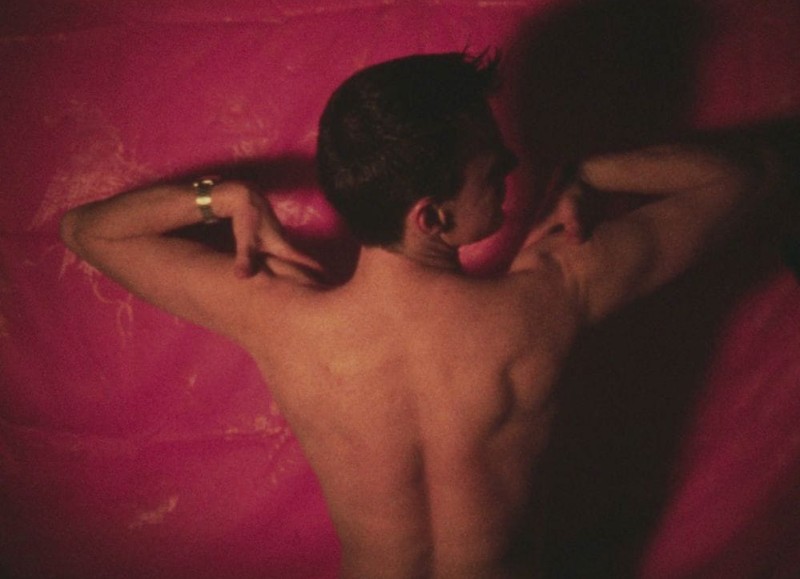
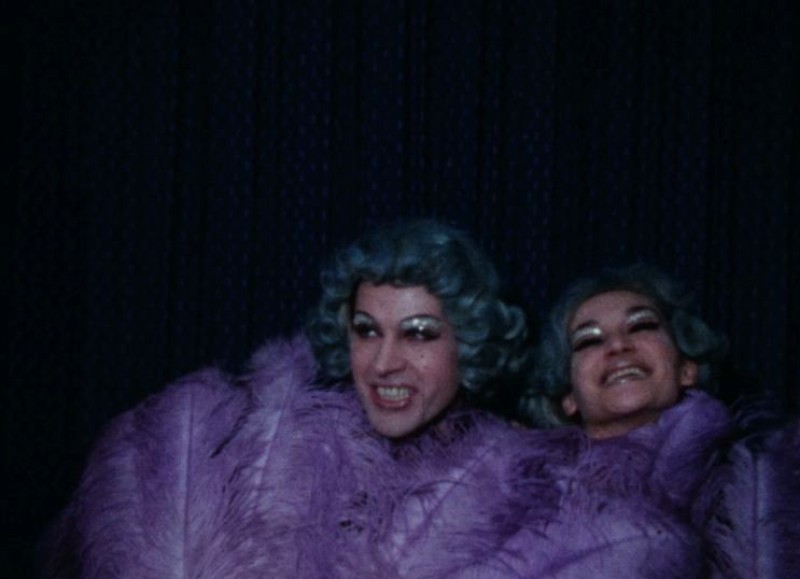
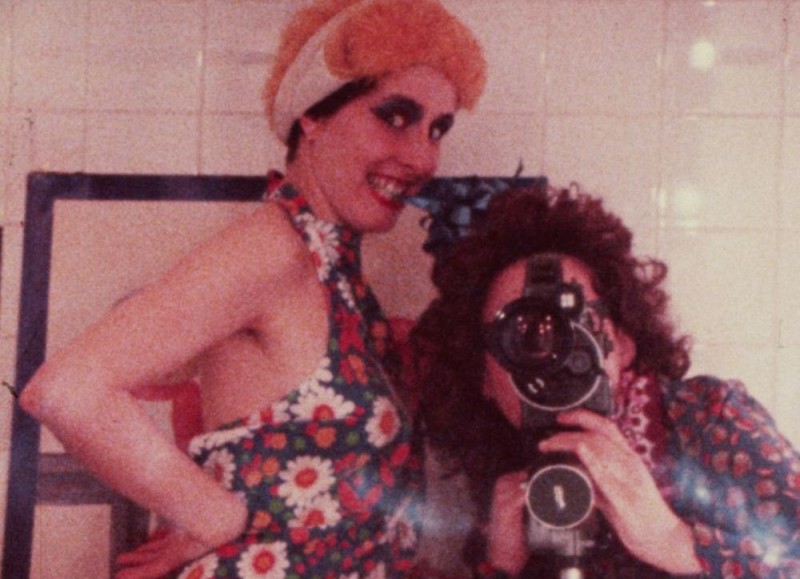
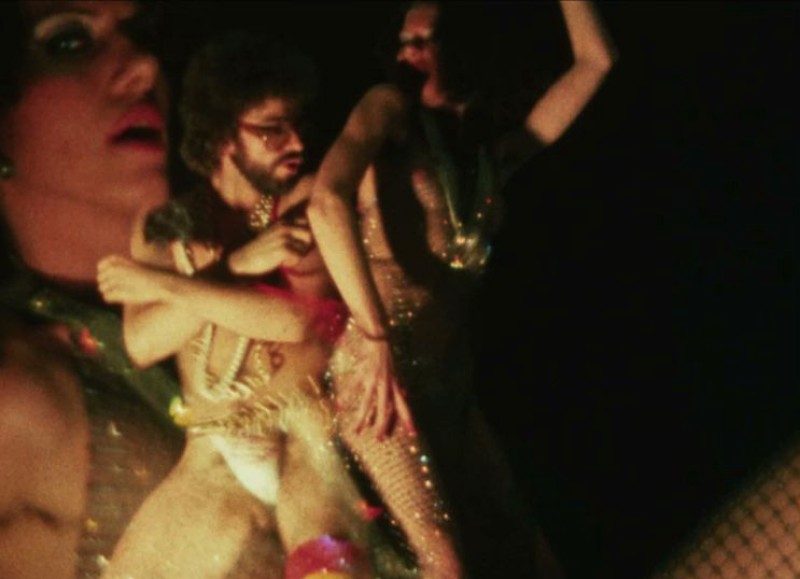
The project Visual History of LGBTIQ+ in Austria and Beyond offers a different perspective by focusing on filmic self-documentation. Amateur films and home movies form its foundation. Despite the anti-homosexual advertising ban in place until 1996, which also applied to film recordings, and ongoing social discrimination, several thousand films documenting everyday life and activism within the LGBTIQ* community were created between 1900 and 2010.
Many of these films, offering a queer point of view, were collected and preserved in collaboration with the Austrian Film Museum, the Austrian Mediatheque, the QWIEN Center for Queer Culture and History, and the STICHWORT Archives of the Women's and Lesbian Movement. The project aimed to establish an archival infrastructure for this ethically sensitive material through collective viewing and decision-making, involving contemporary witnesses and younger actors and activists. The materials were partly obtained through public collection calls by the Film Museum in cooperation with QWIEN and partly located in queer movement archives or other community contexts, including Aidshilfe Wien. In light of the resurgence of homo- and transphobic, misogynistic, and racist forces, it was necessary to develop a model that enables access while ensuring protection from hostile use.
The resulting data management model combines the capabilities of multiple archival infrastructures and organizes several thousand objects within a reference system. It provides information on holdings in the partner archives, where the films are now accessible at varying access levels suited to protection requirements and audiences, from the general public to internal community access.
Decisions about accessibility were guided by a specially developed, community-based viewing strategy ("Seherfahrungsräume"), implemented in collaboration with institutions such as the Homosexual Initiative Vienna (HOSI) and the Queer Museum Vienna (QMV).
Alongside cataloguing of newly collected films, previously archived public holdings – including all LGBTIQ*-related television content from the Austrian Broadcasting Corporation (ORF) and relevant ephemera from queer archives – were integrated into the reference system.
Due to protection or neglect, these materials were often difficult to locate or invisible in official archives because of insufficient metadata and are first accessible through a low-threshold, community-sensitive approach.
Around 1,000 of the catalogued films and videos form the basis for a history of LGBTIQ* reconstructed through filmic spaces. Through this perspective, the history is revealed not primarily as a history of oppression, but as a narrative of resistance, desire, and solidarity – expressed through images and experience. It was written on the basis of the filmic and remembered spaces collectively analyzed in numerous viewings. A publication of the results is planned.
Applicant and project manager
Dr. Katharina Müller (Österreichisches Filmmuseum & IFK Internationales Forschungszentrum Kulturwissenschaften | Kunstuniversität Linz in Wien)
Funding
This research is funded by FWF Austrian Science Fund (Elise Richter Programme).
Duration
January 2023 to December 2025

